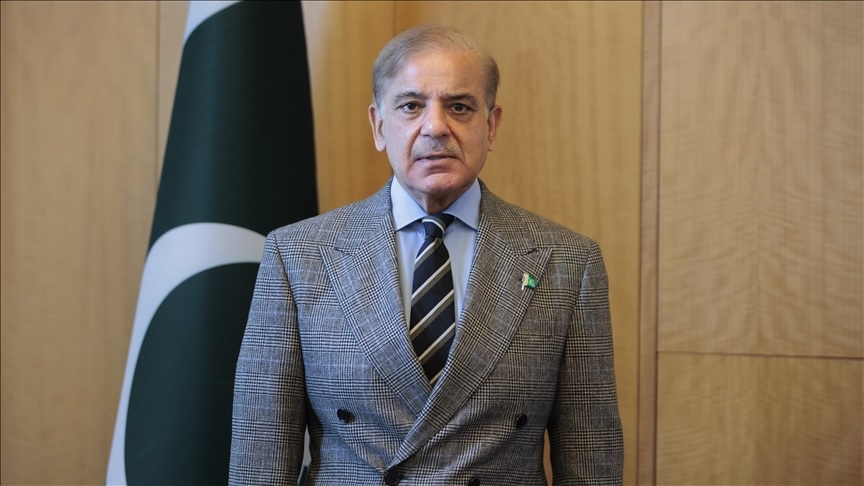

Pakistan’s Prime Minister Shehbaz Sharif, in his latest remarks on Afghanistan, has stressed the need for good and peaceful relations with Kabul, while urging the Islamic Emirate to take serious action against anti-Pakistan armed groups.
He said: “We want close and peaceful relations with Afghanistan, but the Taliban must take serious action against anti-Pakistan armed groups operating on Afghan soil.”
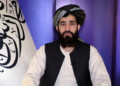
In response, the Islamic Emirate said that Afghanistan will not allow anyone to use its territory against Pakistan or any other country.
The spokesperson added that Afghans do not want interference in Pakistan’s internal affairs, and instead Pakistan should ensure its own security within its borders rather than blaming Afghanistan.
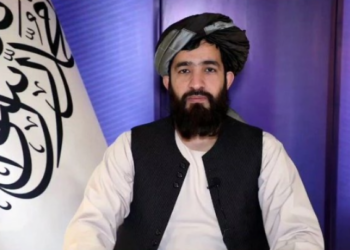
Islamic Emirate spokesperson Zabihullah Mujahid said: “The position of the Islamic Emirate of Afghanistan is that it does not allow its territory to be used against anyone, including Pakistan, and Pakistan should not worry about this. Afghans will never allow such activity. Any issues they are facing, the Islamic Emirate has also tried to help resolve. They should ensure their own security internally and not blame Afghans. Afghanistan does not interfere in Pakistan’s affairs and does not consider it beneficial.”
Meanwhile, Maulana Fazlur Rehman, leader of the Jamiat Ulema-e-Islam party in Pakistan, has also criticized Pakistan’s policies and approach toward Afghanistan.
He said Pakistan has historically followed an interventionist strategy toward Afghanistan, which he believes has now failed.
He added that this approach has increased mistrust between the two countries and made the situation more complex, calling for serious diplomatic efforts to resolve the issues between Kabul and Islamabad.
He said: “Pakistan has always followed an interventionist policy toward Afghanistan, which has now failed, and as a result mistrust between the two countries has increased. Pakistan should resolve issues through diplomacy instead of force.”
Without naming any armed groups, Fazlur Rehman also criticized Pakistan, saying that due to wrong policies, even groups that were once aligned with Islamabad are now operating against it.
Analysts say Pakistan has followed a negative and harmful policy toward Afghanistan for decades, which has now also affected Pakistan itself.
They add that Pakistan should fundamentally change its policies toward Afghanistan, which could help resolve tensions between Kabul and Islamabad.
A political analyst, Shahzada Masoud, said: “Unless Pakistan makes fundamental changes in its policy, problems will not be resolved. Over the past four decades, their policy has not benefited Pakistan or its neighbors. Afghans want civilized relations with all neighbors, and they hope Pakistan adopts a similar approach.”
Following the rise in attacks and insecurity in Khyber Pakhtunkhwa and other parts of Pakistan, Islamabad has once again blamed Afghanistan, claiming that the roots of insecurity lie across the border.
The Islamic Emirate has repeatedly rejected these claims, calling them baseless.