
Since 1949, when the Communist Party came to power in China, relations between Moscow and Beijing have gradually strengthened, except for some exceptional periods of tension, and new initiatives for bilateral cooperation have also emerged.
However, the relationship between the two countries became even stronger after Russia entered a new phase of confrontation with the West following its annexation of Crimea from Ukraine in 2014, while Beijing faced economic rivalry and confrontation from the United States due to its rapid economic growth.
Although world powers may have political disagreements, they still continue mutual economic cooperation to protect their national and international interests.
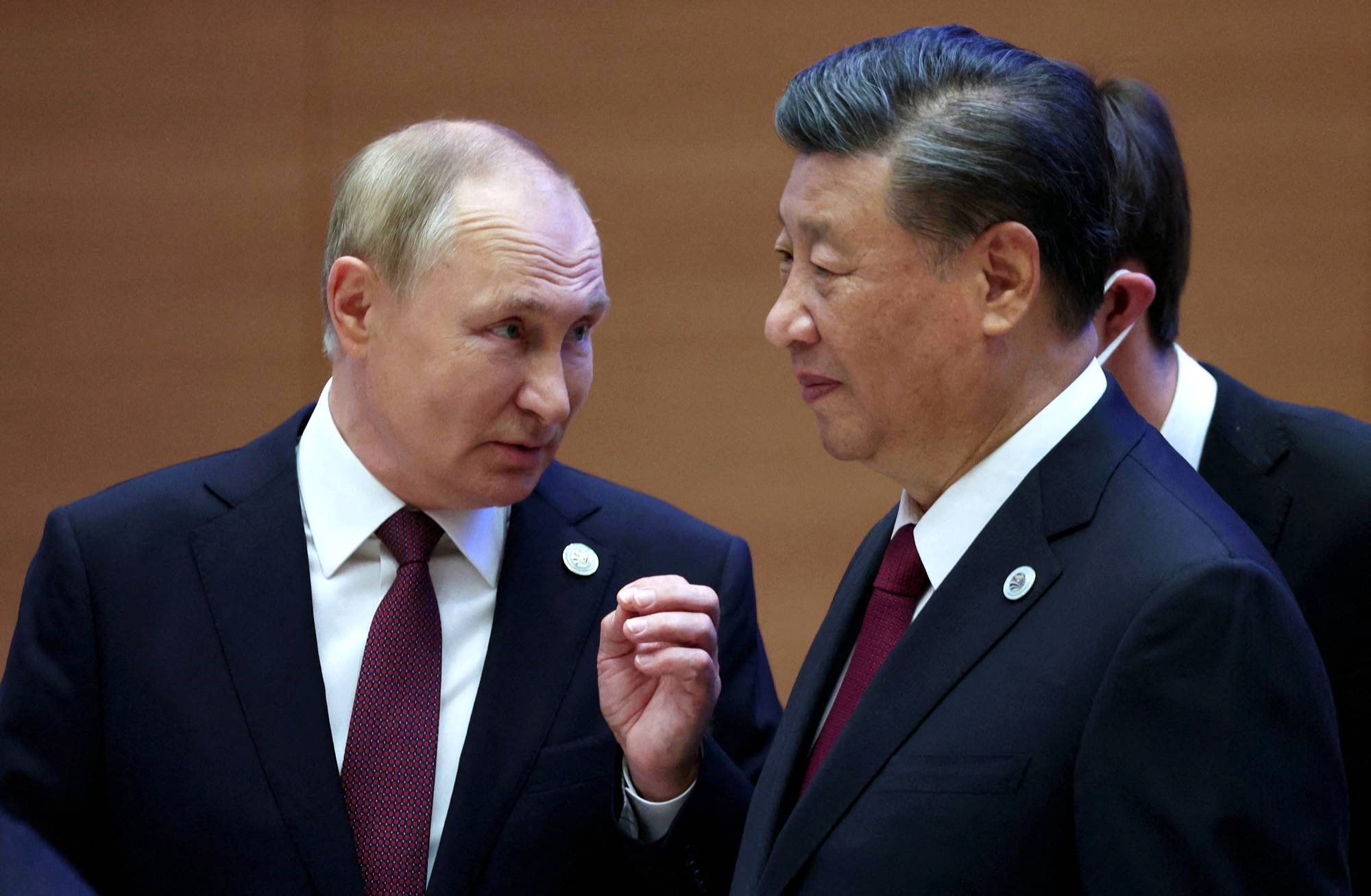
During his recent two-day visit to China, Russian President Vladimir Putin said that Russia’s relations with China do not mean undermining global stability. According to him, the two countries will further strengthen cooperation in technology and economic sectors alongside political cooperation.
Vladimir Putin added: “Relations between Beijing and Moscow are for stability, not against anyone. Both countries cooperate in economy, energy, trade, and global politics, and Russia will remain an important energy exporter to China.”
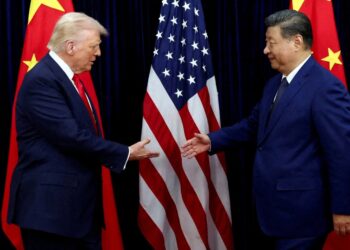
Meanwhile, Chinese President Xi Jinping, who hosted U.S. President Donald Trump last week, considers the joint partnership and strategic cooperation between Beijing and Moscow in international affairs a serious necessity. He said China wants to free the world from unipolar dominance and divide the global system into multiple power centers.
Xi Jinping said: “Today the world has moved far away from peace. Preserving unilateral power and policies is deepening risks even further. A world based on the law of the jungle faces the danger of regression. I proposed four measures for building a shared community, which have the support of Russia and the international community.”
During Russian President Vladimir Putin’s visit to China, more than twenty agreements were signed to increase joint cooperation in trade and technology. However, the major gas pipeline expansion project, which Moscow and Beijing have promised for years to implement, was not included in the list of agreements.
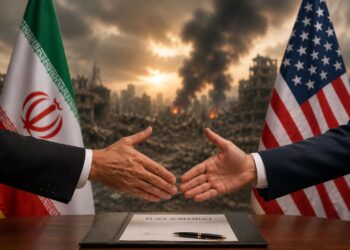
Reports say China, which imports nearly 45 percent of its required energy through the Strait of Hormuz, has emphasized the need for a quick end to the Iran war in order to prevent further crisis in this sector.
Russian President Vladimir Putin’s visit to China comes at a time when U.S. President Donald Trump also visited China last week and discussed bilateral economic and global issues with his Chinese counterpart.