
The United Nations World Food Programme (WFP) has released a new report on food security in Afghanistan, warning of worsening humanitarian conditions across the country.
According to the report, prolonged drought and unemployment have intensified economic hardships and increased daily struggles for millions of Afghans.
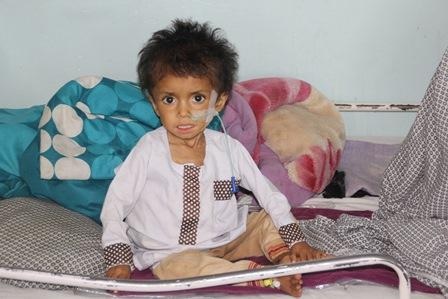
The report states that nearly 14 million Afghans are currently facing severe food insecurity, while around five million people — including children, pregnant women, and breastfeeding mothers — are suffering from malnutrition.
The World Food Programme said: “More than 13.8 million Afghans are facing severe food insecurity, while nearly five million children, pregnant women, and breastfeeding mothers are affected by malnutrition.”
At the same time, the WFP representative in Afghanistan warned that declining international aid is putting the lives of hundreds of thousands of mothers and children at risk, stressing the urgent need for continued humanitarian assistance.
Meanwhile, Afghanistan’s Ministry of Public Health, while not directly commenting on food insecurity, said the number of malnutrition cases is lower than the figures announced by the United Nations. Officials added that serious efforts are ongoing to treat those affected.
Ministry spokesperson Sharafat Zaman said: “Compared to the past, access to healthcare for children has improved significantly. Previously, only 800 nutrition treatment sites were active nationwide, but since the Islamic Emirate came to power, and with the cooperation of international organizations, there are now 3,200 active sites providing services to malnourished mothers and children.”
He added that the ministry aims to establish domestic production of therapeutic nutritional foods such as RUTF and RUSF to ensure timely and lower-cost treatment for affected children instead of relying on expensive imported supplies.
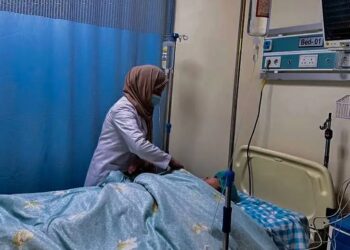
Doctors and health experts, however, described the increase in malnutrition cases as alarming and called for stronger action to address the crisis.
Dr. Abdul Qadoos Nadari said: “Food shortages and insecurity prevent children from receiving essential nutrients such as minerals, proteins, and vitamins, leading to malnutrition. If left untreated, malnutrition can contribute to the deaths of up to 45 percent of affected children.”
According to health experts, poverty and limited access to quality food and healthcare remain the main causes of malnutrition, and they urged international donors to continue providing humanitarian assistance to Afghanistan.