
Hantavirus (the rodent virus) was first identified in 1950 in Korea, but the discovery of positive cases among passengers on a cruise ship once again raised international concerns.
The ship, named HV Handrose, was traveling from Argentina to Cape Verde. Upon arrival in the capital of Cape Verde, Praia, hundreds of passengers were transferred to hospitals.
According to the World Health Organization, three people have died due to confirmed cases on the ship, and around seven suspected patients are currently under strict medical quarantine and monitoring.
Officials say that unlike COVID-19, hantavirus does not spread rapidly between humans. However, they add that once infection occurs, the risk of death is relatively high.
WHO Director-General Tedros Adhanom Ghebreyesus said:
“When we look at it from different perspectives, it is not a major concern; however, preparedness gives us confidence and helps us understand the nature of the virus. We have repeatedly said that it does not behave like COVID-19, but ignoring it would mean abandoning our protection. We must take action.”
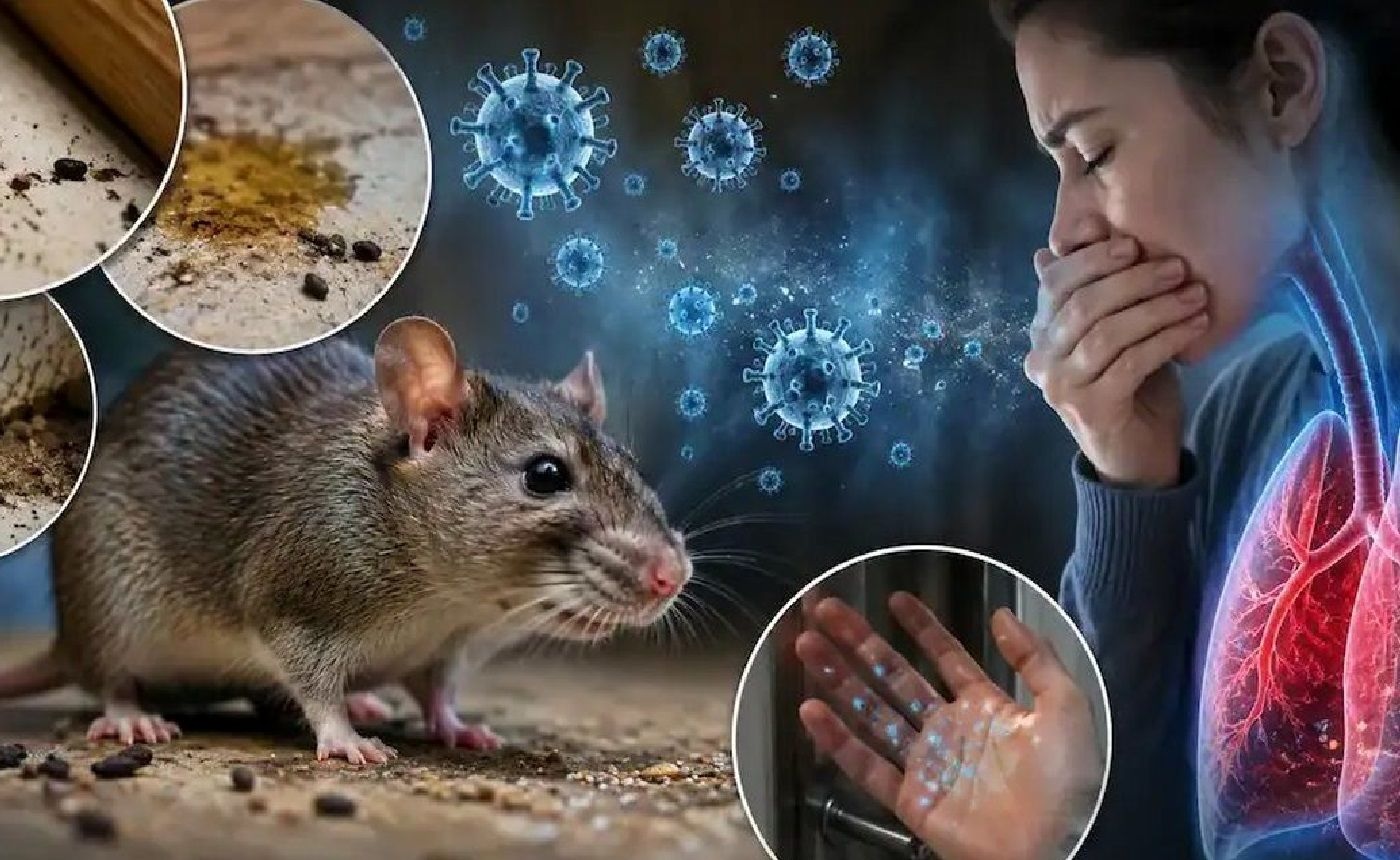
According to the World Health Organization, hantavirus is transmitted through contact with rodent feces, saliva, urine, and contaminated environments where these materials are present.
The organization’s findings show that hantavirus does not spread easily between humans. However, in rare cases, transmission can occur after prolonged close contact with an infected person.
Doctors say the initial symptoms include flu-like illness, headache, diarrhea, fatigue, muscle pain, and breathing difficulties. In more severe stages, it can cause shortness of breath, coughing, fluid buildup in the kidneys, high blood pressure, weakness, and increased heart rate.
Jane Holmes, Executive Director of the Teaching Hospital at the University of Wirral in the United Kingdom, said:
“This is a known virus and is completely controllable. The risk is very low and it does not spread as quickly as COVID-19.”
The UK Foreign Office said that British nationals infected with hantavirus abroad have been brought back to the country and quarantined at the Euro Park Hospital in Liverpool.
Reports indicate that among the three deaths linked to hantavirus, two were Dutch citizens and the third was a German national.