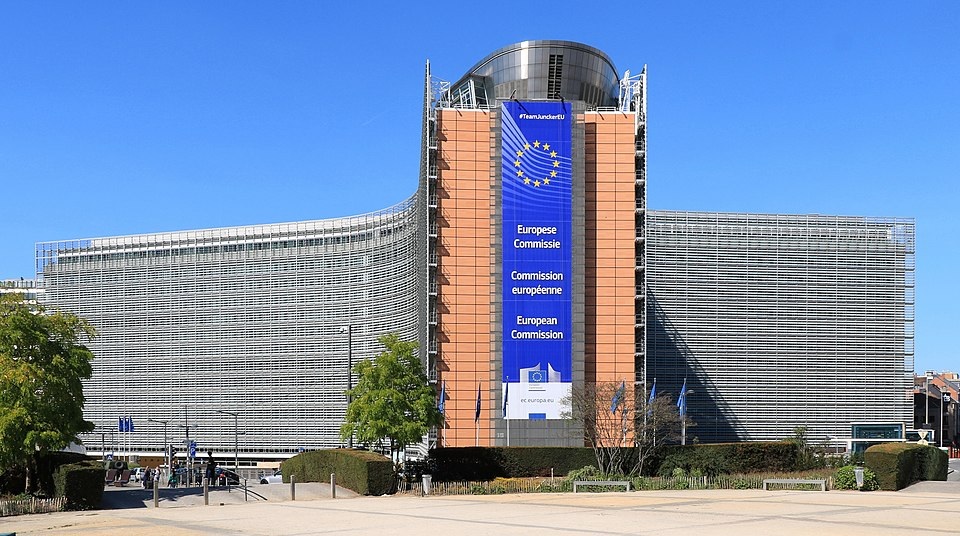

The European Commission is expected to host a technical delegation from the Islamic Emirate in the near future to discuss the return of Afghan migrants from several European countries.
Speaking to France 24 on Monday, the Commission said the exact date of the meeting has not yet been finalized, but the Islamic Emirate will be informed through an official letter.
According to the source, the meeting — to be held with the cooperation of Sweden — will remain limited to the technical level. European officials are also expected to visit Afghanistan twice beforehand to improve coordination ahead of the talks.
The report stated: “The European Commission is working on a possible meeting in Brussels with a technical delegation from Afghanistan’s current authorities.”
Following stricter migration policies across Europe, nearly 20 European countries have called for mechanisms to deport undocumented migrants, particularly Afghan nationals involved in criminal cases.
Last October, those countries also increased pressure on the European Commission to find diplomatic and practical solutions regarding deportations.
A spokesperson for the European Commission confirmed that a related meeting had also taken place in Kabul in January, though no details were given about who attended the discussions.
Refugee rights advocate Alireza Karimi warned: “If this decision is implemented and the European Union begins deporting non-criminal migrants to Afghanistan as well, it could have very serious consequences for refugees, exposing them to uncertainty and psychological distress.”
Although no European country has officially recognized the Islamic Emirate, recent contacts and meetings with Afghan authorities have raised questions and concerns regarding the nature of engagement with Kabul.
Meanwhile, despite travel restrictions on Islamic Emirate officials, exemptions may reportedly be considered for travel to Brussels, the capital of Belgium.
The proposed deportation policy has faced strong criticism from international humanitarian and refugee rights organizations.
Refugee rights activist Abdul Raziq Adil said: “For this process to benefit everyone, it should not be viewed merely as a deportation campaign. The solution must focus on three key principles: first, avoiding forced deportations except for individuals who pose security threats to Europe; second, investing in reintegration rather than detention and deportation; and third, keeping the discussions at a technical level to avoid political sensitivities that could disrupt humanitarian assistance.”
According to reports, between 2013 and 2024, European countries received millions of asylum applications from Afghan migrants, about half of which were approved.
The discussions over deporting undocumented Afghan migrants from Europe come as nearly six million Afghan refugees have already been forcibly returned from Iran and Pakistan since 2023.