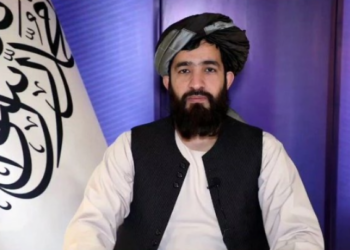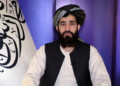
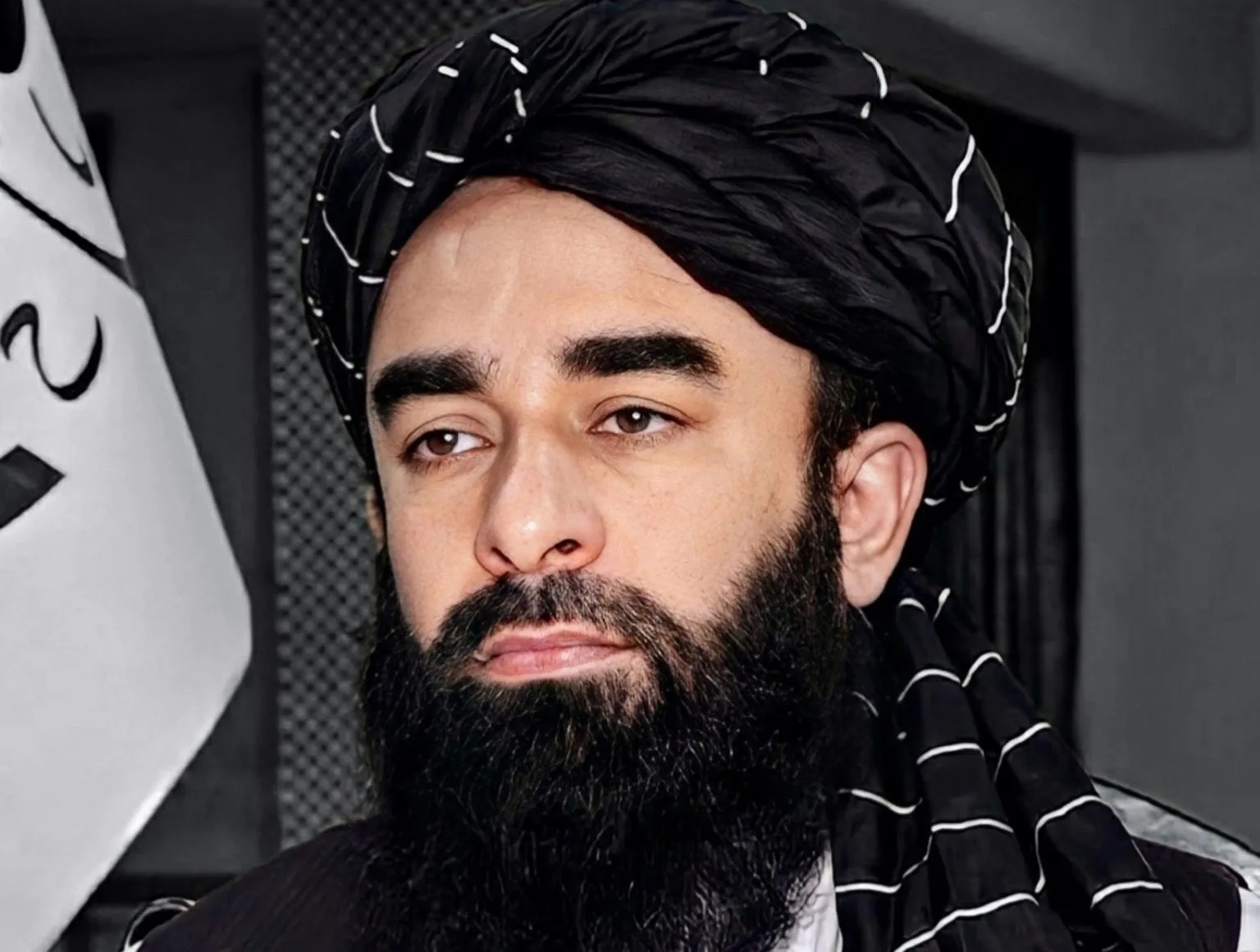

The spokesman of the Islamic Emirate has described claims by Pakistan and Tajikistan regarding the presence of foreign militant groups in Afghanistan as propaganda and a continuation of narratives that have circulated since the years of the U.S.-led intervention.
Zabihullah Mujahid said that no one has ever proven the existence of foreign armed groups operating in Afghanistan. He argued that such allegations are primarily aimed at portraying the region as unstable and serve no constructive purpose.
Mujahid stated: “We consider these concerns baseless. Unfortunately, this propaganda dates back to the period of the American occupation, when claims were repeatedly made that 20 to 25 armed groups were operating in Afghanistan. None of these claims have ever been proven, nor can they be proven. Such allegations are inappropriate and are intended to portray the region as insecure and unstable. We regard them as propaganda, and they are not in anyone’s interest.”
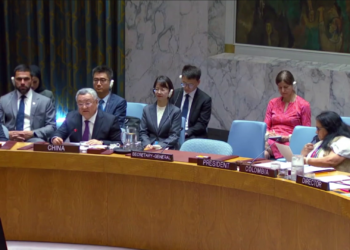
His remarks came after the interior ministers of Pakistan and Tajikistan expressed concerns during a meeting of the Shanghai Cooperation Organisation about the alleged presence of foreign militant groups in Afghanistan.
The two officials said that such groups pose a serious threat to regional security. Mujahid, however, rejected the concerns as unsupported allegations and insisted that they are raised to create the impression that the region remains insecure.
He reiterated that the Islamic Emirate has a clear policy against allowing any foreign armed group to operate within Afghanistan and said the country’s security forces maintain control across the country.
According to Mujahid: “Afghanistan has worked closely with these countries and provided assurances. We again emphasize that we will not allow Afghan territory to be used against any other country. The Islamic Emirate has a very clear position on this issue and does not permit foreign armed groups to operate in Afghanistan. Our security forces have control over the entire country, and no one can carry out such activities.”
He further stressed that the Islamic Emirate’s strategy is based on preventing Afghan territory from being used against other nations.
Nearly five years have passed since the Islamic Emirate returned to power, and during this period similar allegations have been repeatedly made and rejected.
The continued repetition of such claims has raised questions about why some countries continue to express concerns despite assurances from Afghan authorities.
Some political analysts believe that Pakistan plays a significant role in promoting these allegations and argue that Islamabad seeks to advance certain objectives in Afghanistan and the wider region by raising the issue.
Political analyst Yahya Chawosh said: “Afghanistan currently has a functioning government and, after decades, security has been established. The government exercises authority throughout the country and has responded firmly to Pakistan’s actions. I believe there is a broader campaign being carried out against Afghanistan, with Pakistan coordinating much of it.”
For years, Islamabad has been accused by Afghan commentators of using Afghanistan’s limited representation in international forums to promote its own narrative regarding Afghanistan and justify its policies toward Kabul.
At the same time, the Islamic Emirate has repeatedly sought to counter such allegations and has called on the international community, including the United Nations, to transfer Afghanistan’s representation in international institutions to its administration.
Whether the international community will respond positively to that request remains uncertain.