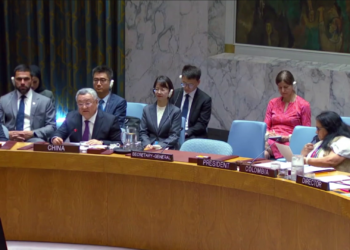
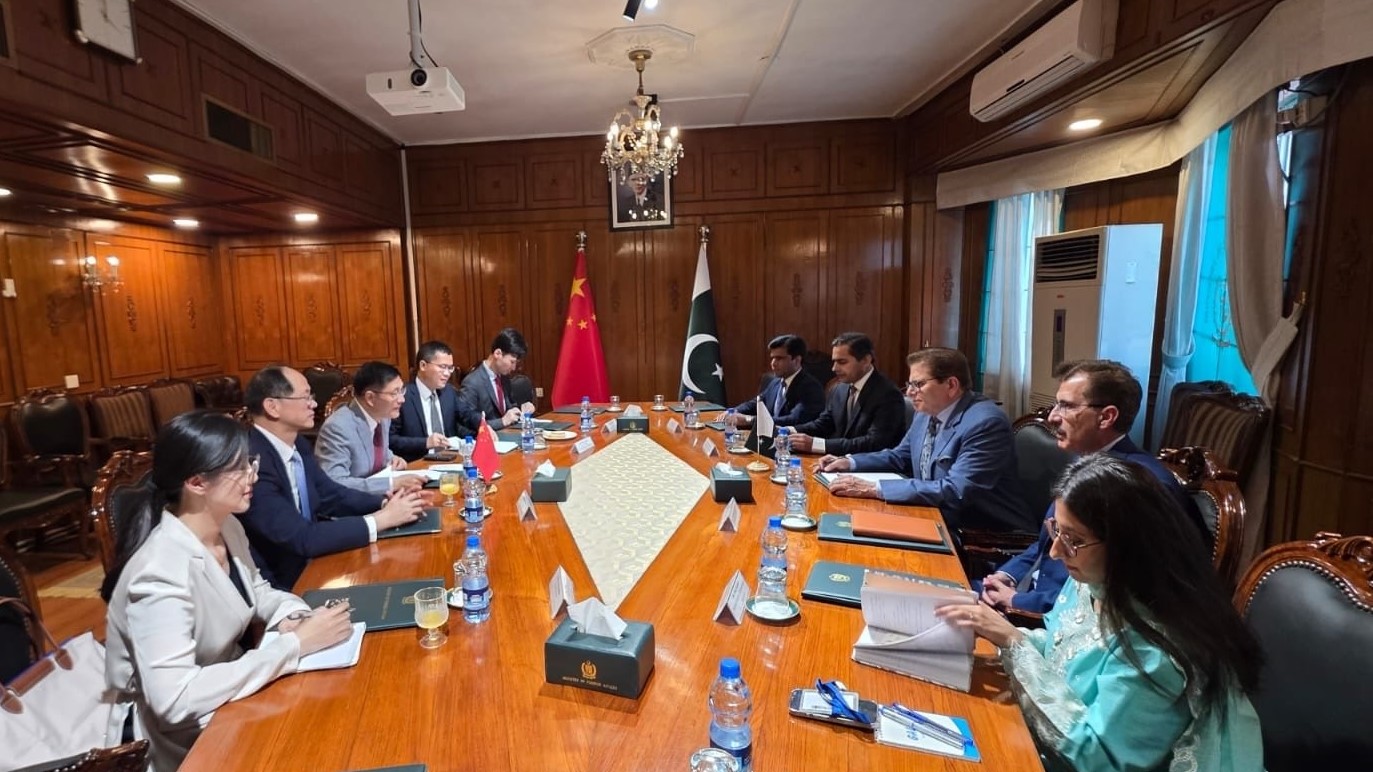

China’s Special Envoy for Afghanistan has recently met with his Pakistani counterpart, Mohammad Sadiq Khan, to discuss the ongoing dialogue process between Kabul and Islamabad that began in Urumqi, China, aimed at resolving differences between the two sides.
China’s special envoy, Yue Xiaoyong, did not specify which aspects of the first round of talks, launched in April between Afghanistan and Pakistan, were discussed. However, he described the discussions with Sadiq Khan as constructive.
Meanwhile, Pakistan’s special envoy wrote on X that both sides discussed regional security as well as threats that Pakistan claims originate from Afghan territory.
Mohammad Sadiq Khan stated: “I had constructive discussions with my Chinese counterpart, Yue Xiaoyong, and his delegation regarding regional security and the threats posed by the TTP and the East Turkestan Islamic Movement, which we believe originate from Afghan soil.”
The meeting also included discussions on ways to strengthen cooperation and coordination in counterterrorism efforts and to maintain regional peace and stability.
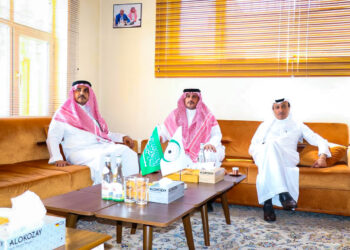
Separately, the office of Pakistani Prime Minister Shehbaz Sharif said that he shared Pakistan’s views on the situation in South Asia and Afghanistan during meetings with senior officials from the European Union and the European Commission. However, no further details were released.
The Prime Minister’s Office stated: “The Prime Minister shared Pakistan’s perspective on the regional situation in South Asia and Afghanistan during discussions with the senior representative of the European Union.”
The Islamic Emirate has repeatedly rejected allegations by Pakistan and other countries regarding the presence of armed groups in Afghanistan or the use of Afghan territory to threaten neighboring states and the region. It has consistently emphasized that Afghan soil will not be used against any other country.
At the same time, Afghanistan’s current authorities have continually stressed the importance of dialogue with Pakistan and have described negotiations as the only way to resolve disputes.
The Islamic Emirate says that no formal steps have been taken to resume direct negotiations after the Urumqi talks, but it acknowledges that indirect efforts are ongoing and maintains that the door to dialogue with Pakistan remains open.
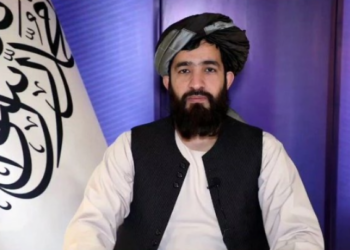
Deputy spokesman Hamdullah Fitrat said: “The doors for talks with Pakistan remain open, and efforts are being made through various channels to keep these discussions alive. Although there have been no direct talks since the face-to-face meeting in Urumqi, efforts are still continuing.”
This comes after reports emerged a few days ago suggesting that Afghan and Pakistani representatives might hold another meeting in Kabul to restart formal talks. However, despite the reports, Afghanistan’s current authorities have not issued an official statement on the matter.