
In addition to United Nations-related organizations, Pakistan’s own state institutions are now also confirming that Afghan refugees in Pakistan and Khyber Pakhtunkhwa are currently facing mistreatment.
The Human Rights Commission of Pakistan has published its annual report on the country’s human rights situation, confirming that the ongoing treatment of Afghan refugees in Pakistan and Khyber Pakhtunkhwa is inappropriate. The report states that, alongside arrests, the process of forced deportations has also accelerated.
According to the report, the deportation of Afghan refugees had previously continued in a relatively normal manner, but after tensions and conflict between the Islamic Emirate and Pakistan, pressure on Afghan refugees intensified.
The Human Rights Commission of Pakistan stated:
“From January to December 2025, more than 175,000 Afghan refugees were arrested and detained across Pakistan. The Human Rights Commission of Pakistan has recorded the return of more than 1.1 million Afghans from Pakistan to Afghanistan. The Commission expresses concern over the continued harassment, arrests, and forced deportations of Afghan refugees. Many deported refugees face harassment, family separation, and serious humanitarian threats.”
Meanwhile, officials in Kabul say the government has full capacity to accommodate and resettle refugees, adding that it can adequately respond to returnees in any number.
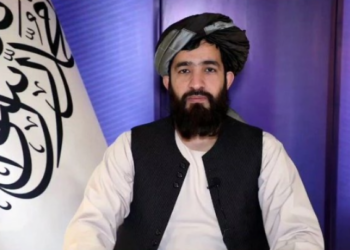
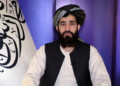
Deputy spokesperson of the Islamic Emirate, Hamdullah Fitrat, said:
“Our request is that Afghan migrants should not be kept waiting on the other side of the border. International organizations and the United Nations High Commissioner for Refugees should discuss this issue with the Pakistani side so that problems are not created for Afghans. They should not be harassed and should be allowed to return as quickly as possible.”
In another part of its report, the Human Rights Commission of Pakistan said that some Afghan refugees avoid going to hospitals out of fear of arrest, while some hospitals have refused to provide services without valid documents. As a result, these Afghans have been deprived of basic rights.
Human rights advocates consider Pakistan’s behavior as a form of pressure on Kabul.
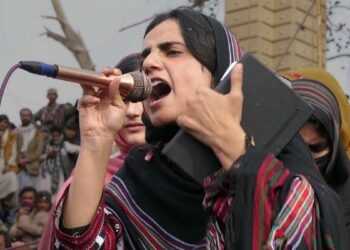
Refugee rights activist Abdul Razzaq Adil said:
“Refugees should not pay the price for the existing disputes and disagreements between Kabul and Islamabad. Migration is a humanitarian phenomenon, not a political or military tool. According to international law and Islamic principles, refugees should enjoy basic rights, including security and healthcare. The latest report by Pakistan’s Human Rights Commission is a warning sign showing that pressure on Afghan refugees has reached inhumane levels.”
Other rights advocates also describe the arrest, harassment, and denial of basic rights to Afghan refugees as a clear violation of international refugee laws and stress that Pakistan should respect refugee rights.
Human rights advocate Rokaya Walizada said:
“The Pakistani military regime is considered one of the largest violators of refugee rights in the region. Although Pakistan receives large amounts of money every year from the United Nations and other organizations under the name of refugee support, it performs poorly in providing services to refugees. Migrants living in this country lack access to education and healthcare, their homes are destroyed, and they are forcibly expelled.”
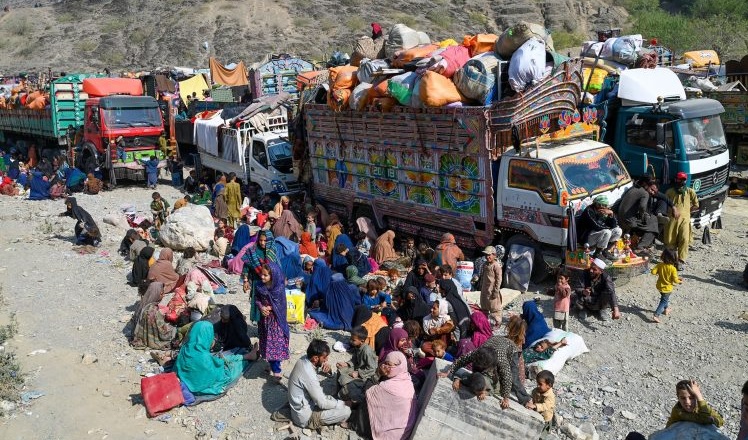
Pakistan has accelerated the expulsion of Afghan refugees from its territory and Khyber Pakhtunkhwa at a time when thousands of Afghans still remain stranded across the Durand Line under severe humanitarian conditions.
Previously, alongside Afghan refugees themselves, international human rights organizations and advocacy groups have repeatedly condemned Pakistan’s treatment of Afghan refugees and expressed concern over their worsening situation.