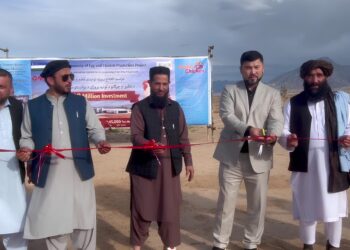
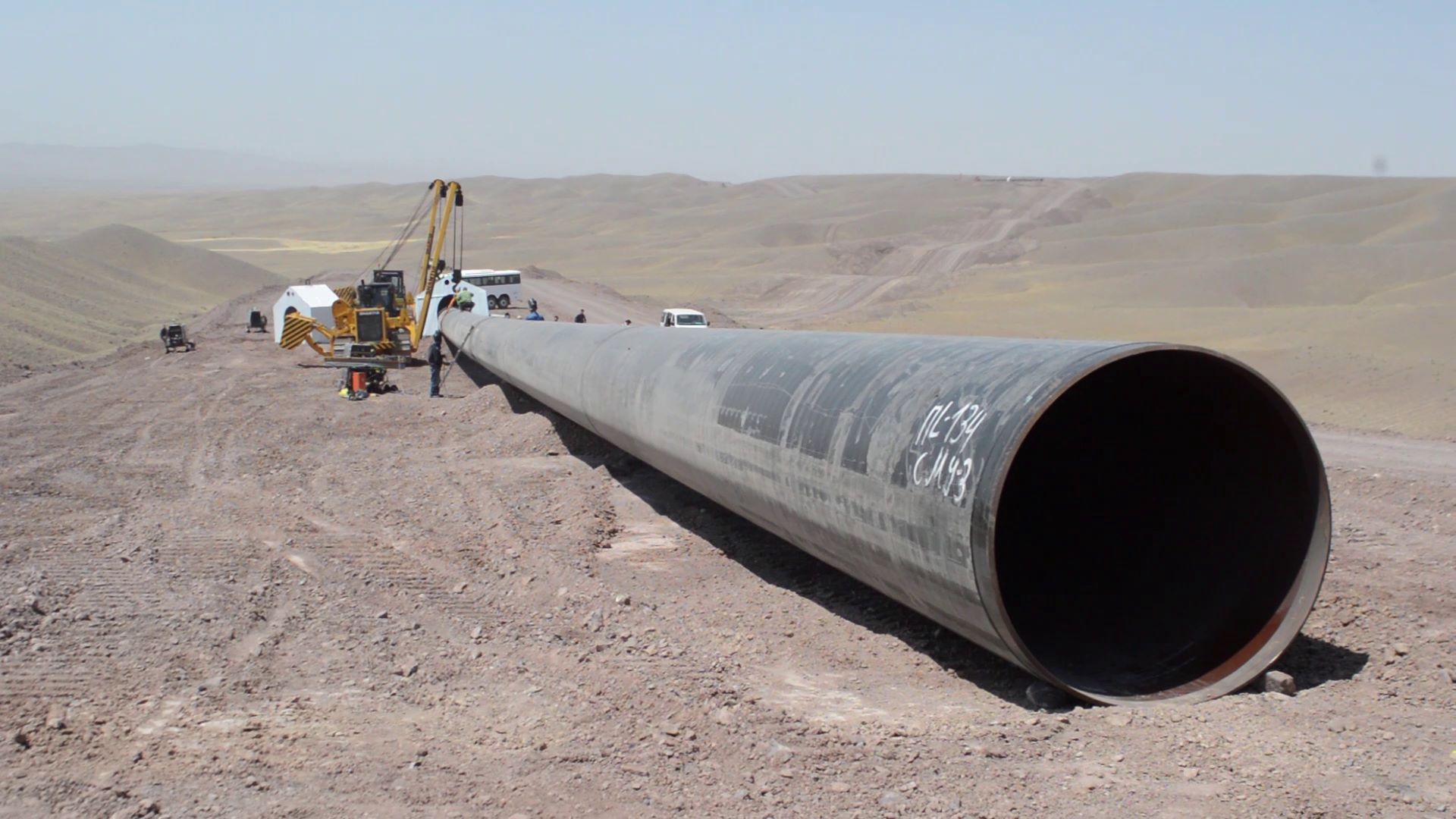

The TAPI Gas Pipeline Project, one of Afghanistan’s most significant regional energy projects, has entered a new phase of implementation in Herat Province.
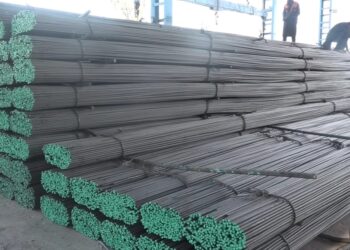
According to local authorities in Herat, 84 kilometers of pipeline have already been laid inside Afghanistan, while an additional 130 kilometers of route have been prepared for construction.
Officials say that 108 kilometers of project-related roads have also been completed, and the pipeline is expected to reach Herat City in the early months of 2027.
Herat Governor’s spokesman, Mohammad Yousuf Saeedi, stated that the progress has been made through the efforts of the Islamic Emirate and that work is continuing according to schedule.
Economic experts describe TAPI as more than just a gas transportation project, saying it could become a major driver of Afghanistan’s economic transformation.
They believe the project will help address energy shortages, attract domestic and foreign investment, support industrial growth, and create thousands of jobs.
Herat Chamber of Industries and Mines Chairman Abdul Naser Amin noted that many factories currently rely on expensive gas delivered by tankers and that direct pipeline access would significantly reduce costs and improve business operations.
Economic analyst Hamed Shayan said the project could provide both natural gas and support electricity generation, helping ease Afghanistan’s ongoing energy shortages.
Residents of Torghundi have also welcomed the project, expressing hope that it will provide cheaper and more accessible gas supplies, lower fuel costs, and improve living conditions.
The TAPI pipeline is one of the region’s largest energy infrastructure projects, stretching approximately 1,814 kilometers from Turkmenistan through Afghanistan to Pakistan and India.
The Afghan section of the pipeline is 816 kilometers long and is designed to transport up to 33 billion cubic meters of natural gas annually, making it a strategically important project for regional energy cooperation and economic connectivity.