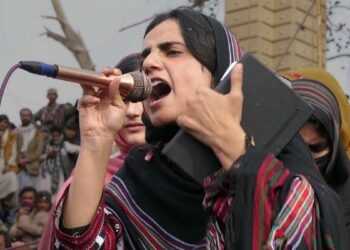
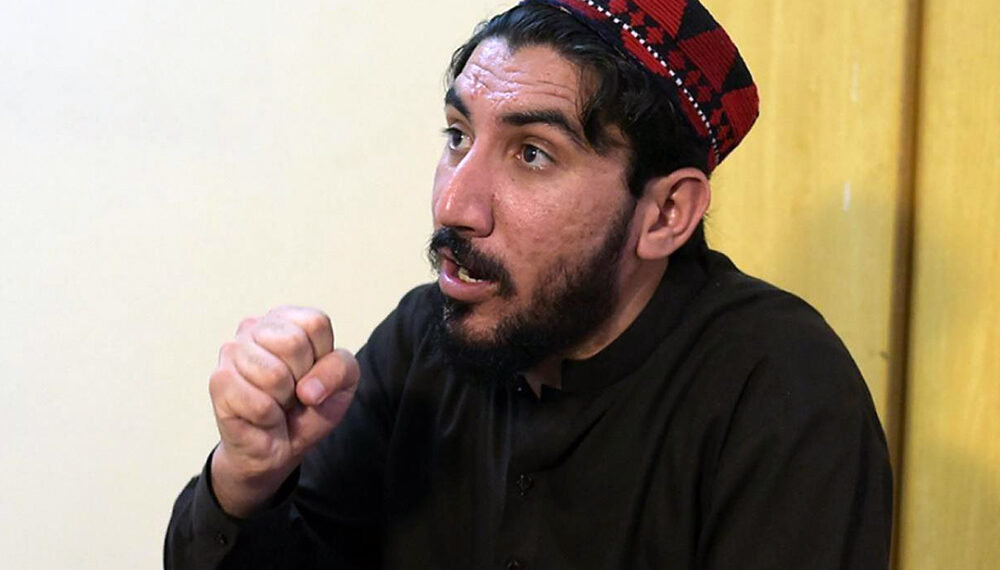

As young Pashtun leaders in Pakistan-controlled regions work to raise awareness among Pashtun communities against what they describe as the military regime’s plans, several analysts consider their efforts to be effective.
According to analysts, although the activities of these young Pashtun leaders are peaceful, they have taken deep root in Pashtun areas and their impact is increasingly visible.
Experts believe that if Pakistan’s military leadership does not revise its policies toward these movements, the country could face a deeper crisis. Political analyst Moeen Gul Chamkani stated:
“If Pakistan fails to adopt a policy that ensures peaceful relations with all its neighbors, it may face a severe internal crisis, and its current system could become destabilized. Pakistan is already experiencing a deep economic crisis, and despite its strategic ties with Saudi Arabia, it has shown no reaction to attacks by Iran on Saudi Arabia.”
Although Pakistan has attempted to address internal challenges and opposition through the use of military force, these young leaders continue to challenge such policies with boldness and openly oppose actions targeting Pashtuns.
Recently, Khyber Pakhtunkhwa Chief Minister Sohail Afridi, speaking at a public gathering in Balochistan, strongly criticized Islamabad’s treatment of Pashtuns, calling it a conspiracy aimed at their destruction.
Afridi said:
“Pashtuns! Always remember that our land is rich in both material and spiritual resources. Why then is there no security for its people?”
He also openly declared resistance against decisions made in Islamabad, which he claimed are taken behind closed doors.
Afridi added that a new generation of Pashtuns has emerged—one that no longer tolerates oppression and is capable of holding Islamabad accountable for injustices against Pashtuns.
Referring to obstacles created by the military regime, analyst Khalil Ahmad Nadem said that despite the use of force and pressure by Islamabad, these leaders continue their struggle to secure the rights of marginalized Pashtuns.
He also pointed to the activities of the Pashtun Tahafuz Movement (PTM), noting that it operates on an international level and that its efforts for Pashtun rights are legitimate.
Nadem stated:
“People are tired of oppression from Punjab and have taken up resistance. I believe their struggle is just and will ultimately succeed. The Pashtun Tahafuz Movement has become a global movement, with representation worldwide, raising the voice of oppressed Pashtuns internationally.”
These remarks come at a time when many analysts believe that, since Pakistan’s creation, Islamabad’s policies toward Pashtuns have been marked by hostility.
A majority of Pashtun leaders—both young and old—share the view that ongoing military operations in tribal areas are part of broader strategies against Pashtuns, with the primary objective being control over the natural resources of their regions.