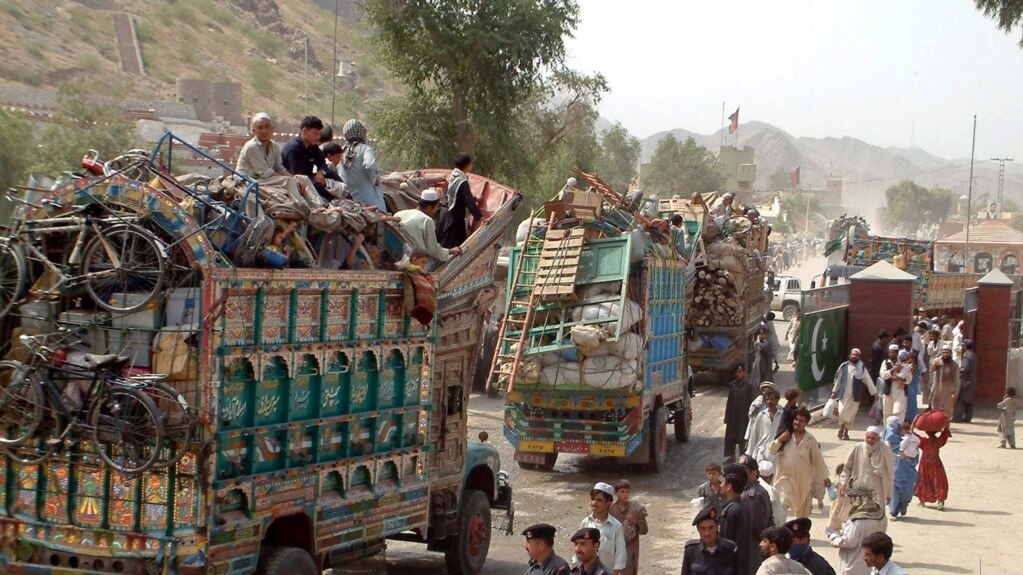

Amid ongoing tensions between Afghanistan and Pakistan, Pakistani media have reported that after the Eid al-Fitr holidays, the forced deportation of Afghan refugees from Khyber Pakhtunkhwa will resume and accelerate.
According to a report by the Pakistani newspaper Dawn, the deportation process had been temporarily halted during the Eid holidays, but security agencies in Khyber Pakhtunkhwa are now ready to restart the process and take serious measures in this regard.
The report states: “The closure of nine Afghan refugee camps, which had been paused for Eid, will resume. Along with this, the deportation of undocumented Afghan refugees will also begin again.”
As tensions between Kabul and Islamabad have increased, Pakistan has intensified pressure on Afghan refugees residing in the country. During deportation operations, their homes are raided, and many are reportedly detained unlawfully and imprisoned.
Some returning refugees have complained that Pakistani security forces did not allow them to collect their belongings and confiscated valuable items.
Meanwhile, former leader of Pakistan’s Jamaat-e-Islami, Siraj ul Haq, expressed concern over the poor conditions of thousands of stranded Afghan refugees at Torkham and Chaman. He called on both countries to prevent a humanitarian crisis.
Siraj ul Haq said that Afghan refugees stuck in Torkham and Chaman are facing severe hardships and numerous difficulties. He suggested that Pakistan and Afghanistan should extend the Eid ceasefire to ensure the safe return of these refugees and provide them with urgent humanitarian assistance.
On the other hand, the United Nations High Commissioner for Refugees has warned that ongoing conflicts in the Middle East and worsening regional security could increase the return of refugees to Afghanistan.
According to the agency, since the beginning of 2026, around 110,000 Afghans have been returned from Iran. With the escalation of conflicts in the Middle East, nearly 1,700 people are returning to Afghanistan daily. The agency warned that if the situation continues, deportations could accelerate further in the coming weeks.
The number of returnees is already very high, with more than 5 million Afghan refugees deported from neighboring countries over the past two years, including nearly 1.9 million from Iran in 2025 alone.
The resumption and acceleration of deportations from Pakistan have also raised serious concerns among Afghan refugees living there. They are calling on Pakistan to provide them with time to return to their country in a proper and organized manner.
An Afghan refugee in Pakistan, Malik Mujahid Shinwari, said: “Markets and shops, whether in camps or cities, have been closed, and people are being arrested by police. Those detained are taken to court, where, after reviewing their documents, they are either released or deported to Afghanistan.”
Refugee rights activists have also described Pakistan’s current actions against Afghan refugees as contrary to Islamic and humanitarian principles.
Refugee rights activist Nazar Mohammad Nazari said: “Forcibly deporting refugees under such conditions can cause severe psychological and economic pressure on them, especially affecting women and children the most.”
Meanwhile, Afghanistan’s Ministry of Refugees stated that more than 3 million Afghan refugees were deported last year from Iran, Turkey, and Pakistan.
According to the ministry, Afghan refugees are being returned from neighboring countries in very poor and harsh conditions.