
The deterioration of relations between Afghanistan and Pakistan has cast a shadow over the lives of Afghan refugees in Pakistan, and with each passing day, their situation continues to worsen.
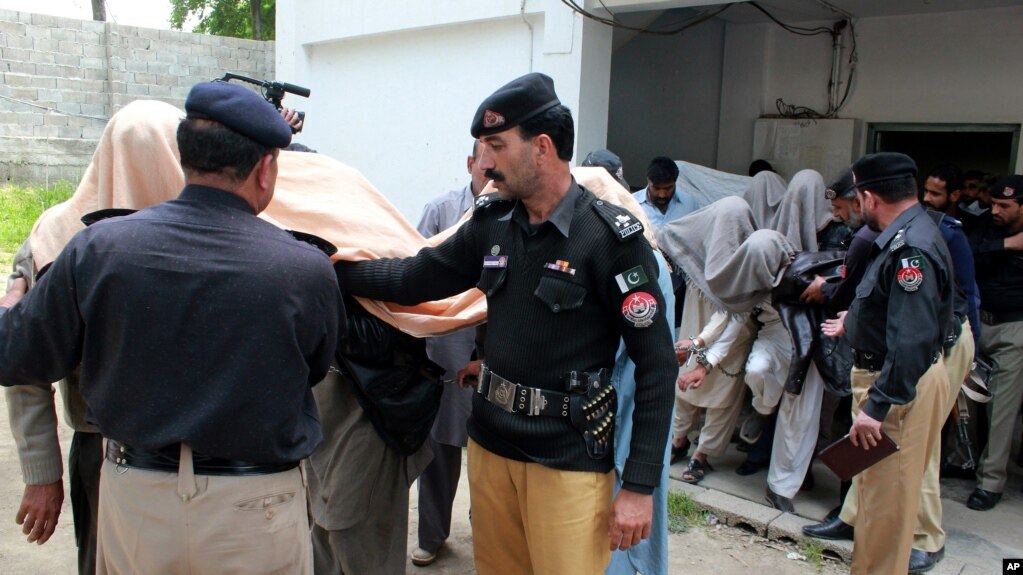
Meanwhile, Pakistani police have stated that over the past four days, four cases have been registered against Afghan refugees and those who had rented houses to them.
Police have blocked roads and set up checkpoints in various areas to thoroughly inspect people’s documents.
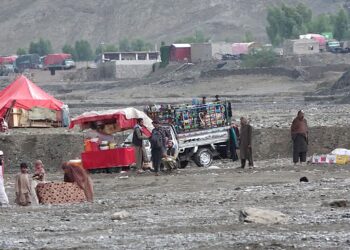
Some Afghan refugees in Pakistan complain about the ongoing forced deportation process and repeated arrests, calling for serious attention to their situation.
They are also urging Pakistan to grant Afghan refugees time to return to Afghanistan voluntarily.
An Afghan refugee in Pakistan, Malek Mujahid Shinwari, said: “Afghan refugees are being pressured without any evidence, and various actions continue against them.
Afghan migrants are being rounded up from everywhere and sent back to Afghanistan.”
On the other hand, Afghan refugees residing in Iran have also complained about mistreatment by police, saying that the process of forced deportation of Afghan refugees has accelerated.
They are calling on the government and international refugee organizations to address their problems.
An advocate for Afghan refugees in Iran, Mohammad Khan Talebi, said: “Such treatment of Afghan refugees contradicts all humanitarian and judicial rights. Afghans living in other countries should be treated in accordance with refugee and social principles.”
A week ago, the spokesperson of the Islamic Emirate, Zabihullah Mujahid, said in an exclusive interview with Shamshad that they had shared the problems of Afghan refugees with neighboring countries, which had assured them that Afghan refugees residing in their countries would no longer be harassed.
Mujahid urged Pakistan not to use the refugee issue as a political pressure tool and to treat Afghan refugees in accordance with international principles.
He added: “We have diplomatic relations with Pakistan and have always conveyed these issues to them. At times, they have cooperated in addressing problems, and the Ministry of Interior has also taken measures. Generally, when such a large number of migrants reside somewhere, problems are natural. However, our request is that the issue of migrants should not be used as a tool of pressure for political or commercial purposes.”
This comes as the United Nations High Commissioner for Refugees said in a recent report that over the past nearly two years, around 5.4 million Afghans have returned to their country from neighboring countries, either voluntarily or forcibly.
The agency also stated that the daily return of thousands of people has made aid delivery more difficult and has put existing capacities under serious strain.
The United Nations had requested $216 million in emergency assistance to support returning Afghans from neighboring countries, but according to the organization, only 8 percent of the requested amount has been received so far.