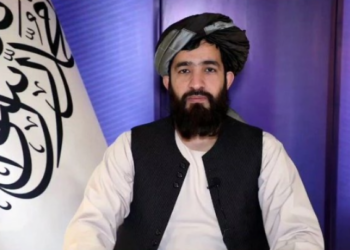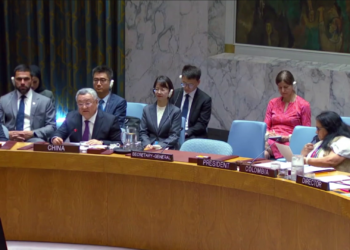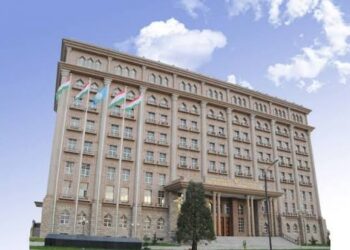

A visit by two Afghan officials to Germany on April 17 this year as part of a technical delegation, along with the resumption of some consular activities there, raised expectations of improved engagement and better relations with the Islamic Emirate.
However, a spokesperson for the German Foreign Ministry, when recently asked about this, rejected such expectations. He said the visit of the Afghan delegation was only related to facilitating deportations of migrants and not linked to any broader diplomatic improvement.
He clearly stated that Germany’s relations with Afghanistan remain in their previous condition and that there has been no positive change in them.
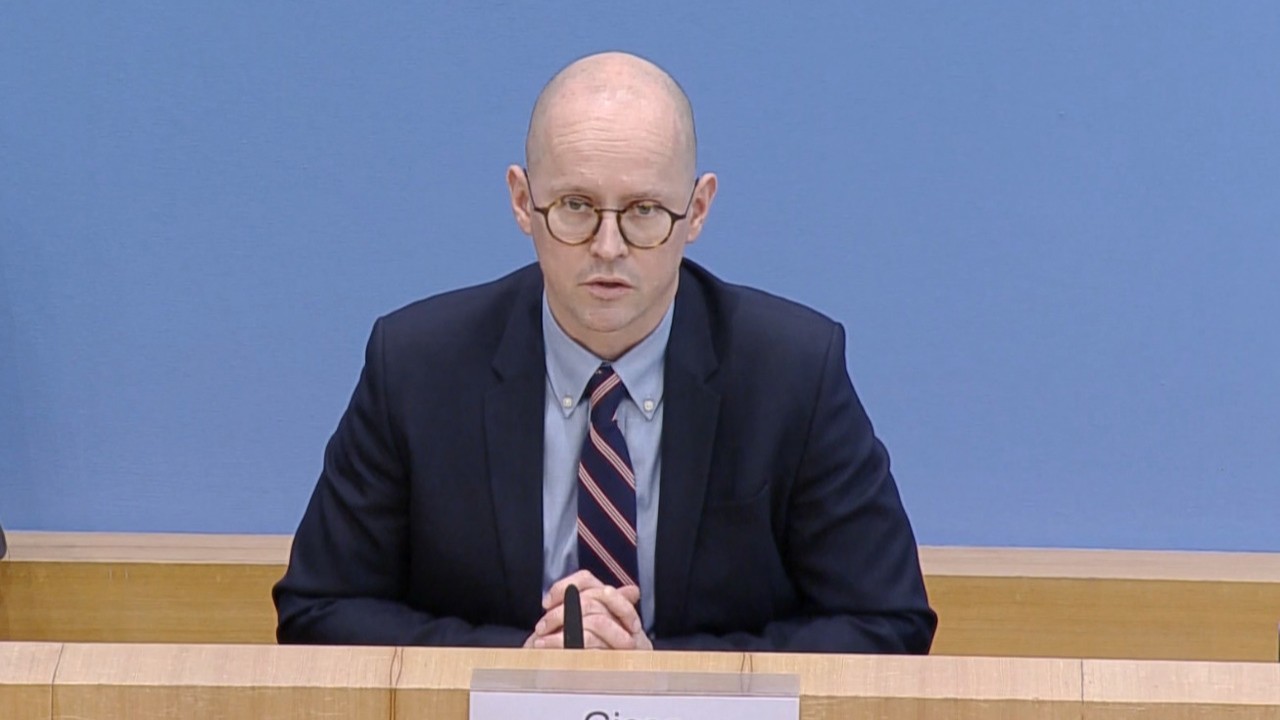
German Foreign Ministry spokesperson Martin Giese said:
“I think we have spoken many times in Germany about the Afghan representation and maintaining contact with the current authorities there. We continue our relations with Afghanistan. We have diplomatic relations with this country because such relations exist between states. But our contact with the current authorities in Kabul is as we have previously described, and there has been no change. Therefore, I have nothing new to share with you today.”
Earlier, on March 21, Deutsche Welle reported that the Islamic Emirate, without informing the German government, sent a “person” as ambassador to Berlin. This was described as a unilateral move to improve relations and a violation of the 1961 Geneva Convention.
In addition, Germany has, over the past two years, accelerated the deportation of Afghan migrants involved in criminal cases or residing illegally in the country. In this process, it has twice sent such migrants back to Afghanistan via charter flights, a move that has faced criticism from human rights and refugee rights activists.
Political analyst Akhtar Mohammad Rasikh said:
“It is accurate that the European Union invited Islamic Emirate officials for talks to improve relations and opened a path for dialogue. In this way, they aim to reduce threats and risks facing these countries from Afghanistan and find solutions to problems.”
Regarding engagement with the current authorities, German Chancellor Friedrich Merz, like other members of the international community, has repeatedly emphasized non-recognition of the Islamic Emirate.
These countries have identified respect for human rights—especially women’s and girls’ access to work and education—as the biggest obstacle in this regard, and have made it a precondition for recognition.
Political analyst Khalil Ahmad Nadim said:
“As long as the Islamic Emirate does not change its policies and actions, European countries will not recognize it. For this union, girls’ education, work, and their participation in society are red lines that must be respected.”
The German government has previously also stated that accepting Afghan officials and allowing their official visits to the country does not mean improved relations with the Islamic Emirate. It has rejected all rumors in this regard, limiting such contacts only to facilitating the deportation process of Afghan migrants.
Meanwhile, a few days ago, the European Union and Britain also confirmed talks with Afghan officials regarding the return of undocumented migrants and reported that they had been invited for discussions.