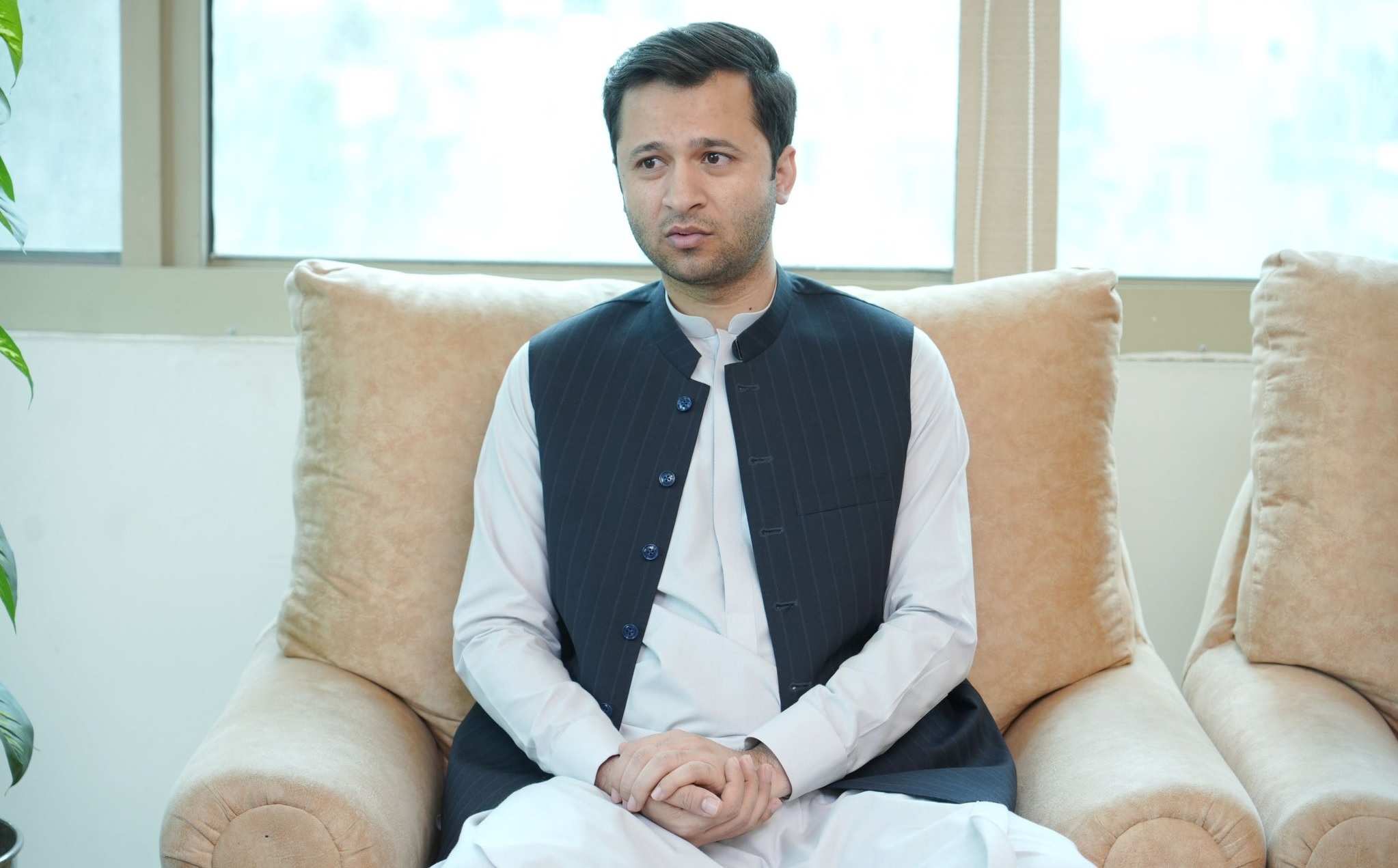

Khoshal Khan Kakar, leader of the Pashtunkhwa Milli Awami Party, who recently gained a seat in the Pakistan Parliament, emphasized the need to establish good relations with Afghanistan in his inaugural speech.
He stated that Pakistan’s relations with Afghanistan should be founded on brotherhood and equality, and that all routes along the Durand Line should be open for free movement.
In addition to advocating for open routes and equality in bilateral ties, he called on Pakistan to facilitate visas for Afghan citizens, including health, student, and business visas.
Kakar said:
“We must maintain relations with Afghanistan based on brotherhood and equality. All trade routes with Afghanistan—whether Shorabak, Chaman, Spin Boldak, Ghulam Khan, or Torkham—should be open. Visa issuance for Afghans should be made easier, whether for health, education, or business purposes.”
Analysts note that rural Afghans desire closer ties with Afghanistan due to their inseparable social and economic connections, but Pakistan’s military regime has attempted to widen the gap and keep them apart.
Political analyst Shahzada Masood said:
“Our people and governments have always tried to maintain friendly and mutually respectful relations with the people of Pakistan. Blocking roads or visas should not be part of government policy. I believe Kakar’s statements reflect reality, and Pakistan must make fundamental changes in its policies.”
Others emphasize that the call to reopen closed routes is justified, noting that the closures have negatively affected rural Afghans. Political analyst Najibullah Jami said:
“The main reason for blocking trade routes along the Durand Line is Pakistan’s aggression and the politicization of trade. The voices of rural Afghans are reasonable and considered because the closures harm people on both sides of the border. They should hold accountable the Pakistani generals who try to create enmity among border communities.”
For nearly four months, Pakistan has kept routes from Khyber Pakhtunkhwa to Afghanistan closed. These closures followed Pakistani military aggression on Afghan soil and retaliatory operations by Afghan forces. Analysts suggest Pakistan may have intended to use these closures as a pressure tool, but instead they caused economic losses.