Human Rights Watch (HRW) has warned about the worsening hunger crisis in Afghanistan, saying that cuts in humanitarian aid by the United States and other international donors, the forced return of millions of Afghan refugees from neighboring countries, and several other factors have intensified the country’s humanitarian emergency.
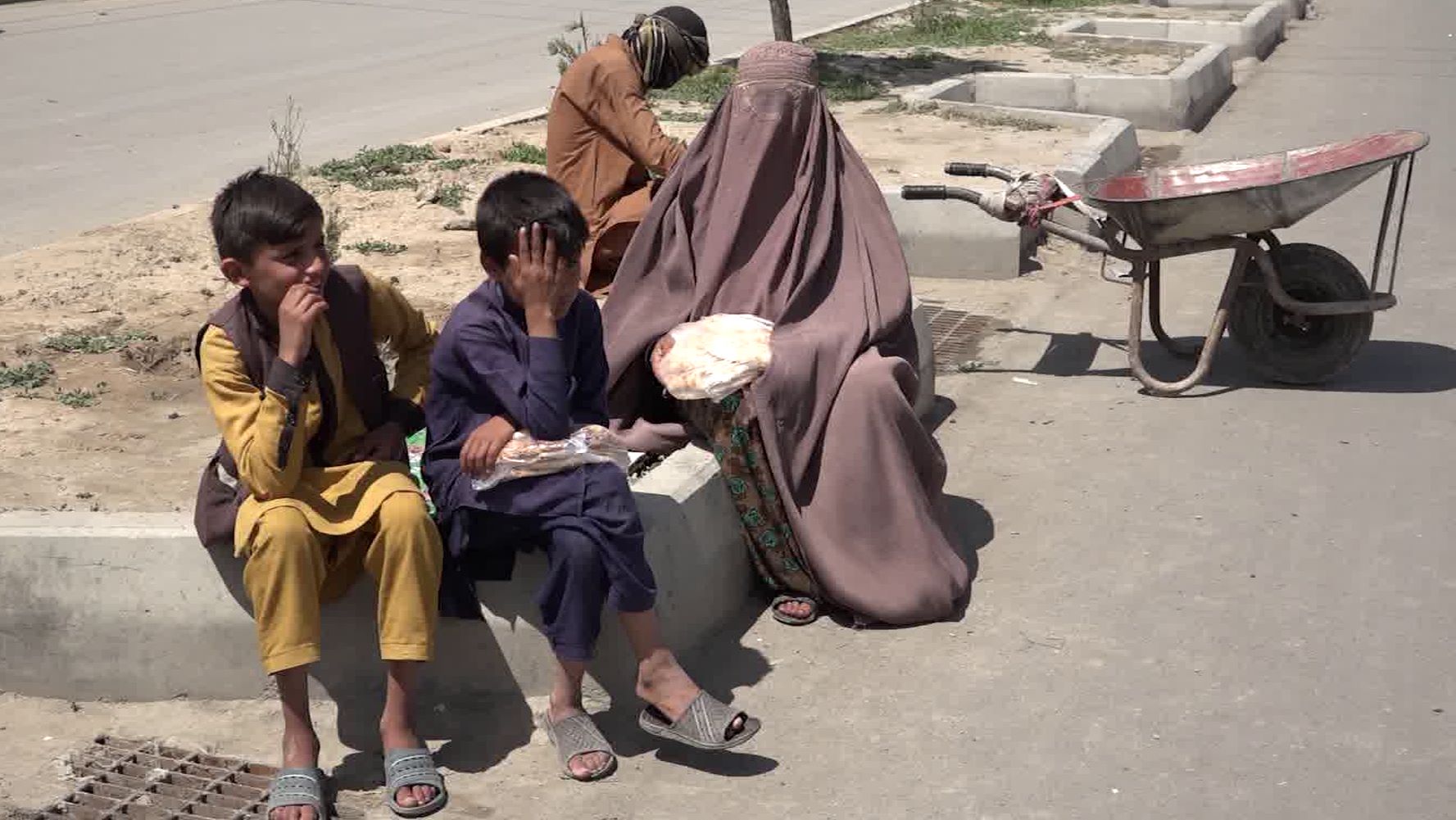
In its report, the organization said these factors have left more than 22 million people in Afghanistan—especially women and children, who are the most vulnerable—facing food shortages.
One part of the Human Rights Watch report states:
“The humanitarian crisis in Afghanistan worsened further in 2025, as the United States sharply reduced its foreign assistance and other countries followed suit. At the same time, millions of refugees were forcibly returned to the country. Currently, more than 22 million people in Afghanistan are facing food insecurity, with women and children being the most affected.”
Human Rights Watch also called on other international organizations to support Afghans living as refugees in neighboring countries and urged host countries to treat them in accordance with international standards.
Previously, the United Nations had also estimated in a report that the number of people facing food insecurity in Afghanistan would increase in 2026. The UN called for 1.7 billion US dollars in aid to help control the humanitarian crisis in the country.
Meanwhile, Afghanistan’s Ministry of Economy rejected the Human Rights Watch report as exaggerated, saying the country’s economy is improving.
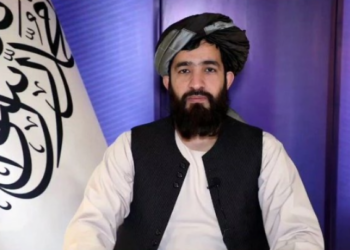
Deputy Minister of Economy Abdul Latif Nazari said:
“Afghanistan’s economy is growing, and some reports published about a humanitarian crisis and economic problems in the country are exaggerated and do not reflect reality from our perspective. The Islamic Emirate has launched major economic projects for growth and development and has made progress in this area.”
On the other hand, analysts, considering the current challenges in Afghanistan, have urged the government and international aid organizations to take the situation seriously.
Economic analyst Abdul Jabbar Sapi said:
“In my view, international assistance is still needed at this time, but the Islamic Emirate government and Afghanistan’s private sector also have a responsibility to support the people. There is a serious need for international aid for at least one or two more years, and support for Afghans must continue so that the issue of returning refugees can be resolved and economic programs can be implemented.”
According to analysts, in previous years, UN-affiliated agencies had also expressed concern over human rights conditions in Afghanistan and called on donor countries to increase assistance to address these problems.
However, they say that a large portion of the aid provided by donor countries is spent on salaries and administrative costs of UN and other international organizations, rather than reaching the people in need.