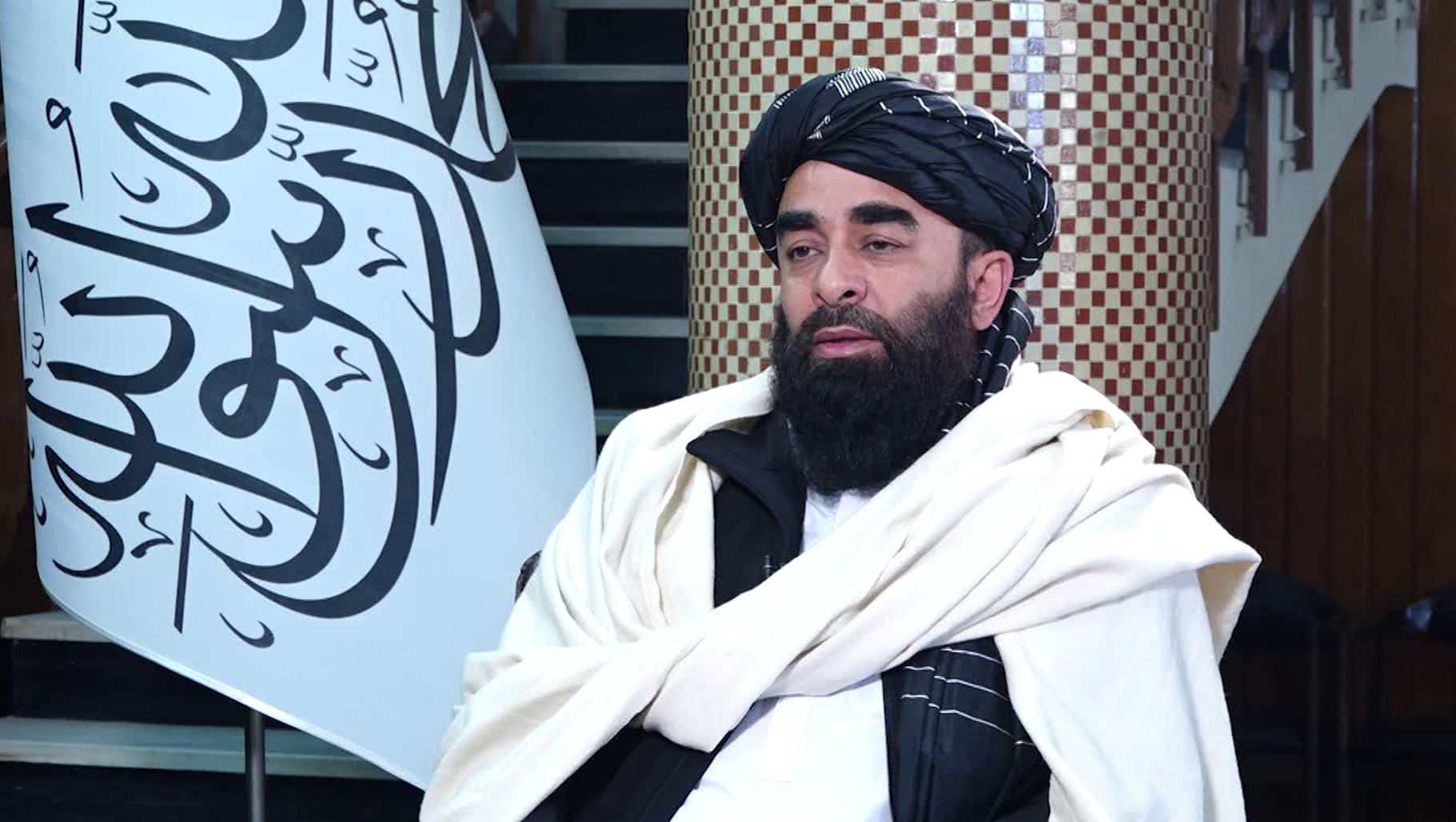
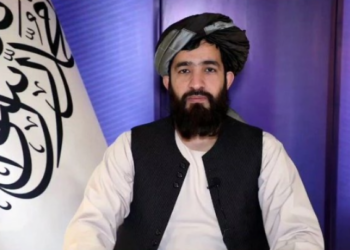
The spokesperson of the Islamic Emirate has stressed that the international community must refrain from interfering in Afghanistan’s internal affairs, referring to remarks made a day earlier by UN Secretary-General António Guterres.
Zabihullah Mujahid said that the structure of the government and human rights are internal matters of Afghanistan, urging countries and international organizations to respect this principle. He emphasized that the international community should not attempt to force its demands through pressure or political coercion.
In an exclusive interview with Shamshad News, Mujahid said that while the Islamic Emirate listens to advice from countries and organizations on governance, it does not allow interference in domestic affairs.
“The core issue is that any demands made of Afghanistan should remain at the level of consultation and opinion,” Mujahid said.
“We always listen to advice and viewpoints, but imposing demands and applying political pressure is illogical and amounts to interference in the affairs of countries. Afghanistan wants to hear advice, consider opinions, and learn from the experiences of seasoned countries — but only as advice, not as interference. If anyone intervenes in Afghanistan’s internal affairs and imposes their demands, Afghans do not want such a situation, and the current system also opposes it. We want relations with countries that normalize mutual engagement while maintaining respect.”
Mujahid welcomed the UN Secretary-General’s recent remarks regarding engagement with Afghanistan and efforts to combat narcotics. However, he reiterated that issues such as forming an inclusive government and human rights are internal matters, and that the shape and structure of the government will be decided domestically.
He also said that due to the Islamic Emirate’s clear and practical policies, peace and stability have been ensured across Afghanistan, and that the authorities will not allow a return to political disorder or security chaos.
Despite this, regional countries, neighbors, and international organizations have repeatedly raised demands regarding the formation of an inclusive government and respect for human rights in Afghanistan.
Political analyst Ruhullah Hotaki said that UN officials often discuss key issues related to Afghanistan, but noted contradictions regarding women’s and girls’ rights, the concept of an inclusive government – which he said lacks a clear definition – counterterrorism efforts, and human rights monitoring.
In response to these concerns, the government maintains that the current administration is inclusive and claims that human rights are being ensured in accordance with Islamic Sharia and Afghan traditions.
Nevertheless, analysts say the assurances given by current authorities have not satisfied the international community, leading to repeated calls and demands on these issues.
Political analyst Moeen Gul Chamkani said that while different ethnic groups are represented proportionally within the government structure, critics argue that officials largely belong to the same social class. He added that key benchmarks such as internal security, development projects, counter-narcotics efforts, and counterterrorism measures have all shown progress.
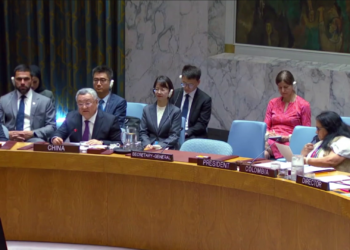
This comes as UN Secretary-General António Guterres, speaking at a press conference on Friday, praised Afghanistan’s efforts against narcotics but expressed concern over the lack of an inclusive government, human rights — particularly women’s and girls’ access to education and employment — and the spread of terrorism.
Guterres said that inclusivity within the government is closely linked to strengthening peace in Afghanistan.