
Peace talks between Afghanistan and Pakistan, hosted by China, have been ongoing over the past week. Although few details have been made public, reports suggest that discussions between the two sides are moving in a positive direction.
According to Reuters, citing China’s Ministry of Foreign Affairs, Afghanistan and Pakistan have agreed to seek a comprehensive solution to the tensions that arose following last October’s conflict. Both sides also pledged to avoid actions that could further complicate or escalate the situation
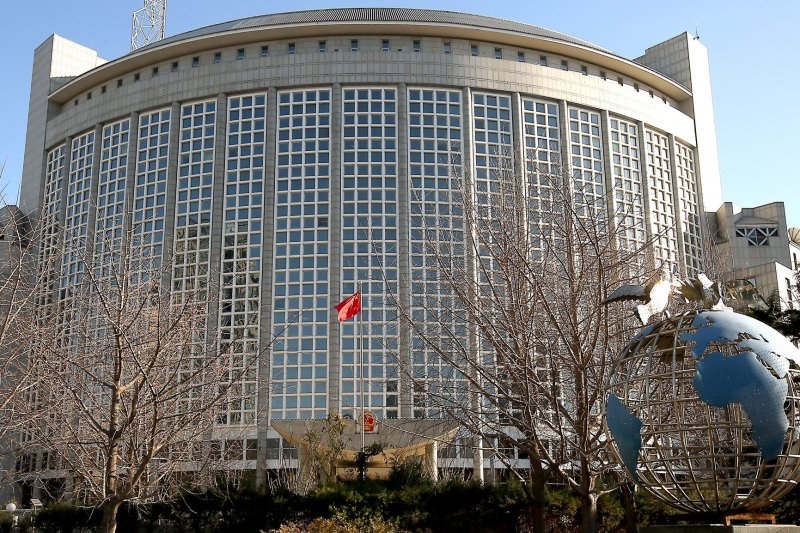
Chinese Foreign Ministry spokesperson Mao Ning stated: “Afghanistan and Pakistan agreed during the Urumqi talks to resolve the tensions that emerged after last October’s conflict in a comprehensive manner. Both sides also agreed not to take steps that would further intensify or complicate the situation.”
China’s Foreign Ministry also said it will continue maintaining relations with both countries and will provide a framework for continued dialogue.
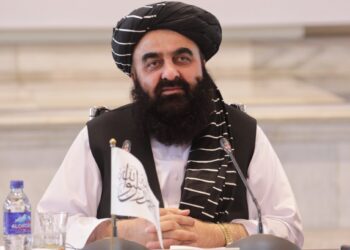
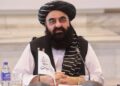
Meanwhile, Afghanistan’s Foreign Minister Amir Khan Muttaqi said that talks with the Pakistani side have so far been constructive. In a meeting with the Chinese ambassador in Kabul, he expressed hope that minor issues would not hinder the progress of negotiations.
Deputy spokesperson for the Ministry of Foreign Affairs, Zia Ahmad Takal, said that the Afghan foreign minister appreciated China’s role in organizing and hosting the talks in Urumqi. He also praised the mediation efforts of Saudi Arabia, Turkey, Qatar, and the United Arab Emirates.
Political analyst Wahid Faqiri noted: “The situation suggests the talks are progressing well. The fact that discussions have taken time indicates that there are issues keeping both sides engaged at the negotiating table.”
However, some observers remain skeptical of Pakistan’s intentions, arguing that the country is not genuinely committed to resolving its issues with Afghanistan.
Former diplomat Aziz Maarij said: “Pakistan has a mission to implement Western, particularly American, projects in the region and is therefore compelled to carry them out.”
Political analyst Ismail Zadran added: “Pakistan is forced under current circumstances to exercise patience, engage in dialogue, and accept the position of the Islamic Emirate. They are also required to revise their unrealistic demands.”
So far, Pakistan has not commented on the talks, and it remains unclear what key issues were discussed by the negotiating teams.
The Islamic Emirate’s delegation included representatives from the Ministry of Foreign Affairs, Mohibullah Wathiq and Abdulhai Qanit; from the intelligence directorate, Yahya Takal; and from the Ministries of Interior and Defense, Arifullah and Rohullah Omar.