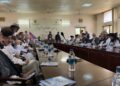
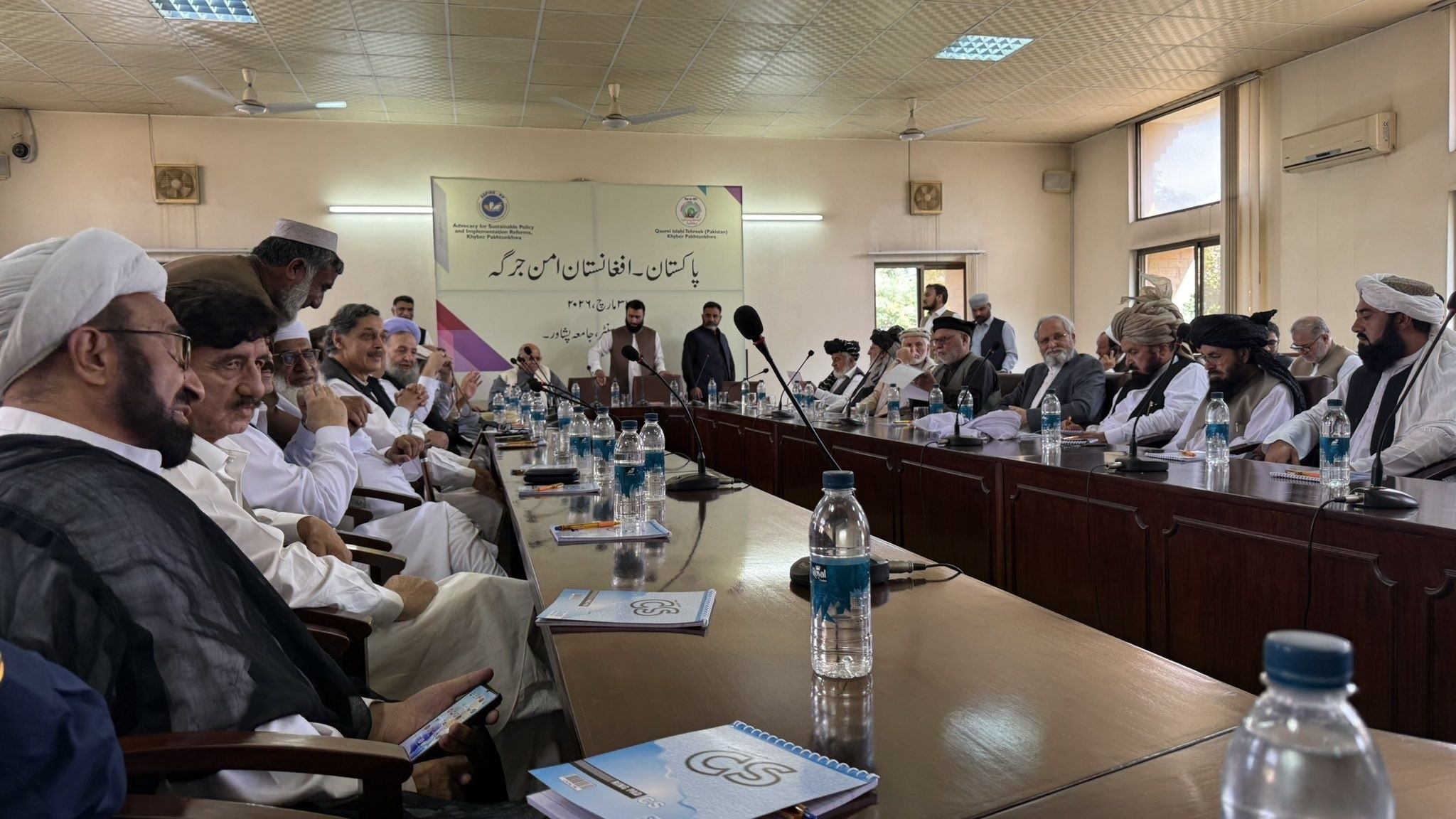

A number of prominent figures and personalities have been invited to a peace jirga in Peshawar, the capital of Khyber Pakhtunkhwa, aimed at stopping the violence between Afghanistan and Pakistan and ending clashes along the Durand Line, as well as restoring relations between the two sides.
According to Pakistani media, the jirga was attended by tribal elders from Khyber Pakhtunkhwa and areas near the Durand Line, religious scholars, politicians, and members of civil society.
Participants of the jirga emphasized that the ongoing conflict has caused the greatest harm to Pashtun communities living on both sides of the Durand Line and must be stopped as soon as possible.
Independent journalist and jirga member Tahir Khan said: “This jirga was convened to find ways to return the current conflict and war-like situation between Afghanistan and Pakistan to normalcy. The jirga called for the continuation of a ceasefire and the start of negotiations to resolve the issues. It also urged both countries not to allow their territories to be used against each other. Additionally, the jirga demanded the reopening of trade routes that have been closed for six months and called for better treatment of Afghan refugees.”
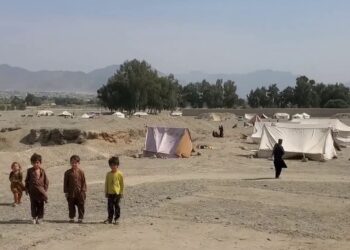
Participants also criticized Pakistan’s policy toward Afghan refugees, stating that they should be given the opportunity to return voluntarily and with dignity.
One of the jirga participants and religious scholar, Sheikh Idris, urged both countries to extend the ceasefire and resolve the current crisis through dialogue.
Meanwhile, political activists inside the country consider jirgas an effective way to resolve the ongoing tensions between Afghanistan and Pakistan.
Political analyst Ruhullah Hotak said: “It is clear that this jirga emphasized the creation and implementation of a joint framework for resolving issues between Afghanistan and Pakistan. It called on both countries to immediately establish a ceasefire and create conditions for confidence-building. While jirgas are a traditional mechanism for conflict resolution in Pashtun culture, their direct and immediate impact may be limited due to their indirect role.”
The jirga participants also called for the resumption of stalled trade between the two countries.
Economic analysts consider the reopening of trade and transit routes highly important and urge both sides to separate trade from politics. According to them, trade between the two countries has fallen victim to political disputes, causing significant harm to ordinary people.
Economic analyst Abdul Nasir Rashtia said: “Pakistan’s military and intelligence should respect the will of the people and resume trade. The Pakistani military should never again create obstacles for Afghanistan’s trade. This is a positive step, as Afghanistan has always supported peace and seeks good relations with Pakistan. Now the decision lies with Pakistan’s military and intelligence—whether they respect the will of their people or not.”
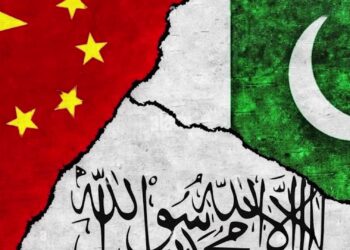
Although neither the Islamic Emirate nor Pakistan’s military regime has officially responded to the jirga, sources have confirmed to Shamshad that negotiations between Afghanistan and Pakistan are expected to take place in Urumqi, China.
Whether the Peshawar peace jirga or China-mediated efforts will succeed in ending the ongoing conflict remains uncertain, with analysts believing that success largely depends on Pakistan’s intentions and policies.