
United Nations experts have stated that the attacks on Afghanistan carried out by Pakistan’s military regime violate Article 2 of the UN Charter and international law.
According to the experts, Article 2 of the UN Charter prohibits the use of force. They emphasized that Pakistan had no right to take defensive action unless Afghanistan had first attacked it or had allowed TTP militants to target Pakistani forces.
The International Criminal Court has also rejected the argument that the presence of terrorist groups in a country gives another country the right to attack it. The court stated: “The illegal use of force means that Pakistan, through these attacks, has violated the fundamental human right to life of all those killed. Some attacks causing civilian casualties may also be considered violations of international humanitarian law.”
The UN experts further noted that Pakistan has not yet presented concrete evidence showing that its attacks were carried out under instructions from the Afghan government.
UN experts stress that while every country has the right to protect its people from terrorist threats, such measures must comply with international law.
This discussion by the UN experts comes at a time when Pakistani military militias repeatedly target civilians—including women and children—and public facilities in their attacks.
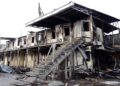
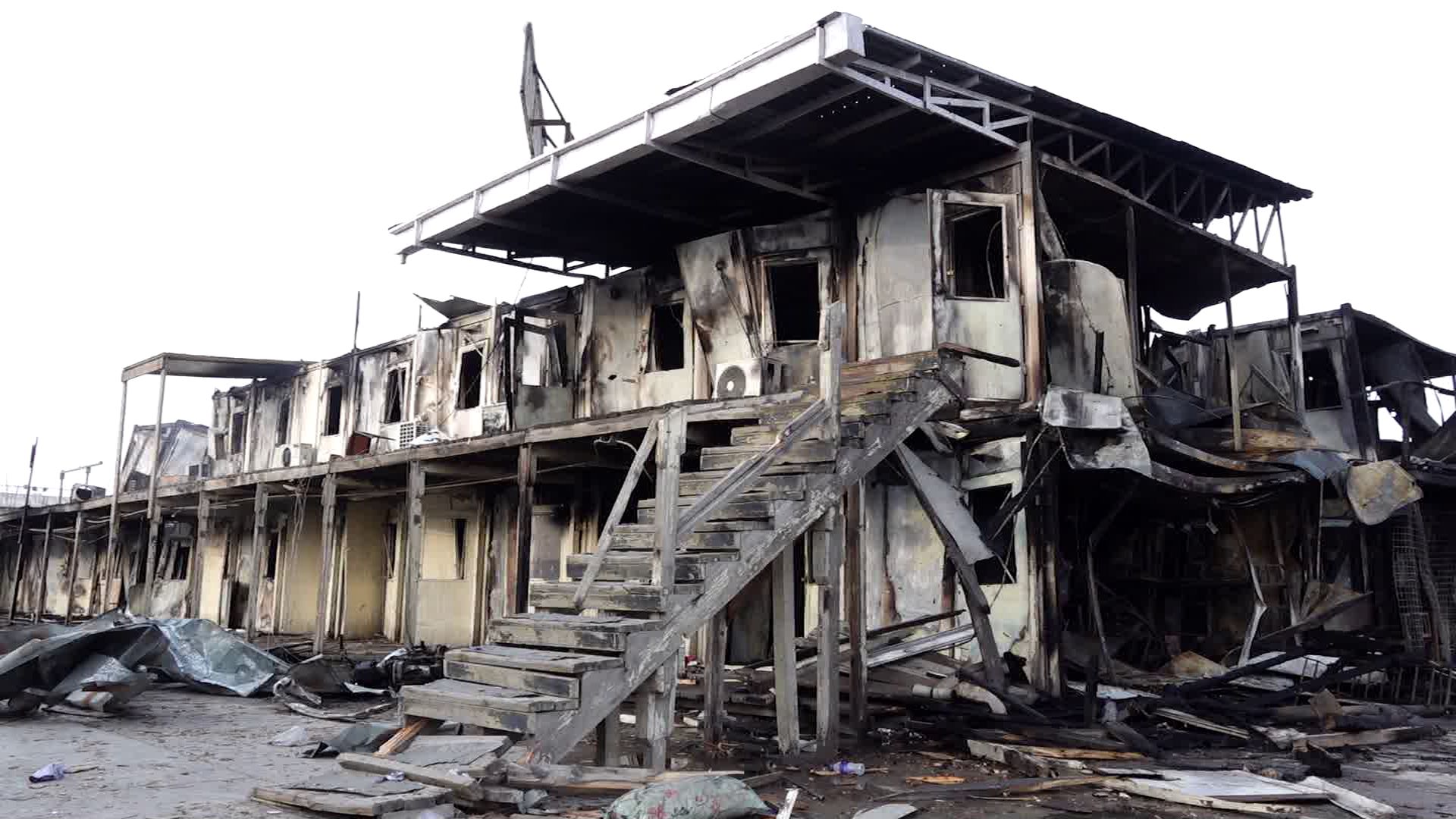
A clear example is the attack on a drug rehabilitation hospital in Kabul. According to available information, more than 400 people were killed and around 300 were injured in this strike.
The UN experts strongly condemned this attack on the hospital, calling it a violation of international law.
They have also previously urged both countries to renew a ceasefire and reach a peace agreement. They emphasized that crises threatening international security should be resolved peacefully.
The UN experts stated that they are in contact with both the Afghan government and Pakistan regarding these issues.
Earlier, Amnesty International had requested clarification from Pakistan’s military regime regarding these attacks, asking whether they had taken any steps to verify the intelligence on which the strikes were based.