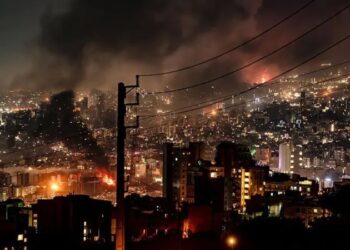

The war between Iran, the U.S., and Israel has increased global oil prices by nearly 25%, with concerns that prices may rise further due to escalating tensions in the Middle East.
The Strait of Hormuz is the only transit route for oil from Arab countries and Iran. It is located along the shared border of Iran and Oman and supplies a significant portion of the world’s energy.
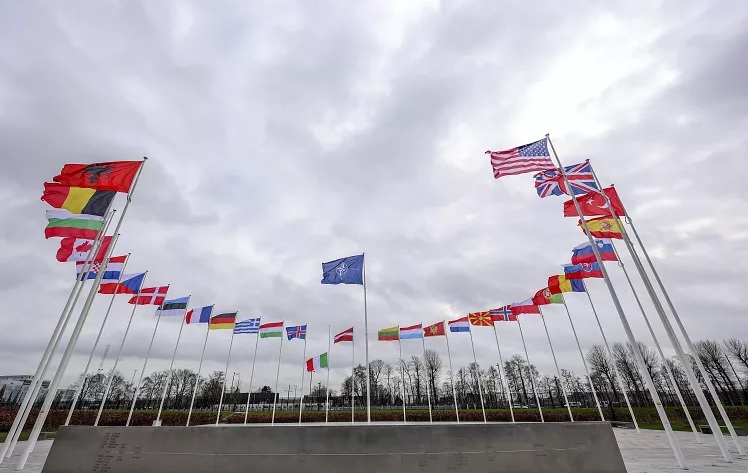
However, Iran’s recent restrictions on commercial shipping in the strait have created tensions between the U.S. and its close allies, particularly NATO, with both sides still lacking a unified stance.
NATO Secretary General Mark Rutte said in recent interviews with CBS News and Sky News that the alliance is discussing three key questions: what should be done, when it should be done, and where it should be done.
He added: “Since Thursday, a group of 22 countries—including South Korea, Japan, Australia, the UAE, and Bahrain, most of which are NATO members—has been assessing what is needed and when, in order to keep the Strait of Hormuz open and free.”
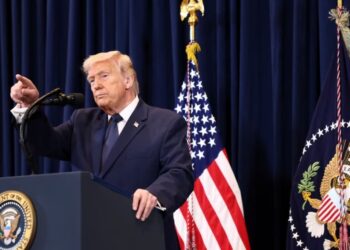
The unclear position of NATO member states has drawn a strong reaction from Donald Trump, who last week described the alliance as “paper tigers” without the United States, saying it cannot be relied upon to engage in a conflict with Iran.
In addition to repeated threats, Trump gave Iran a 48-hour deadline to reopen the strait, warning that after the deadline, any restrictions would be met with the complete destruction of Iran’s energy facilities.
Trump said: “If Iran does not fully reopen the Strait of Hormuz within 48 hours without threats, the United States will target and destroy Iran’s energy facilities, starting with the largest ones.”
However, Tehran denies that the strait is fully closed and insists that the U.S.-imposed war has deliberately endangered the stability of this international transit route.
Iran’s Foreign Minister Abbas Araghchi said: “The Strait of Hormuz is not closed, because insurance companies are not sending their ships due to the war you started yourself. No insurer or Iranian citizen will be persuaded by threats. So try respect—either mutual respect or expect nothing.”
According to reports, the Strait of Hormuz is a key route for the transit of oil and goods from Iraq, Kuwait, the UAE, Qatar, and Iran. Since February 28, when U.S. and Israeli attacks on Iran began, Iran’s Islamic Revolutionary Guard Corps has restricted the strait for the U.S. and its allies directly involved in the conflict.