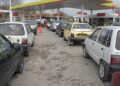

Officials at the Islam Qala border crossing in Herat and the Silk Bridge port in Nimroz Province say that despite the ongoing conflict between Iran, United States, and Israel, there has been no change in the movement of commercial goods between Afghanistan and Iran.
According to officials, since the start of the war in Iran, trade between the two countries has continued as usual, and the movement of cargo trucks has not stopped.
Authorities at the Islam Qala customs office say that around 1,300 cargo trucks cross the border daily, transporting goods between the two countries.
Deputy head of the Islam Qala customs office, Abdul Wahab Hafiz Kamran, said:
“Trade with Iran is continuing normally. When there are no problems in Iran, between 1,200 and 1,300 trucks are processed daily. The war in Iran is merely used as an excuse to increase prices. Everything here is normal and trade is continuing as before.”
The commissioner of the Silk Bridge port in Nimroz, Wali Mohammad Nasrullah, said:
“They requested that goods coming from Tehran and Bandar Abbas Port also be transported. Everything is arranged here and there are no problems in transit operations.”
Some truck drivers also said the war in Iran has not negatively affected their work, and trade between the two countries continues as usual.
Driver Sher Agha said:
“Travel to Iran is good. There is a little congestion, but no problems. We are satisfied with both the Afghan and Iranian sides; the work is going well.”
Another driver, Ghulam Farooq, said:
“I am currently heading inside Iran to Taybad. There are no problems; the situation is normal and traffic continues.”
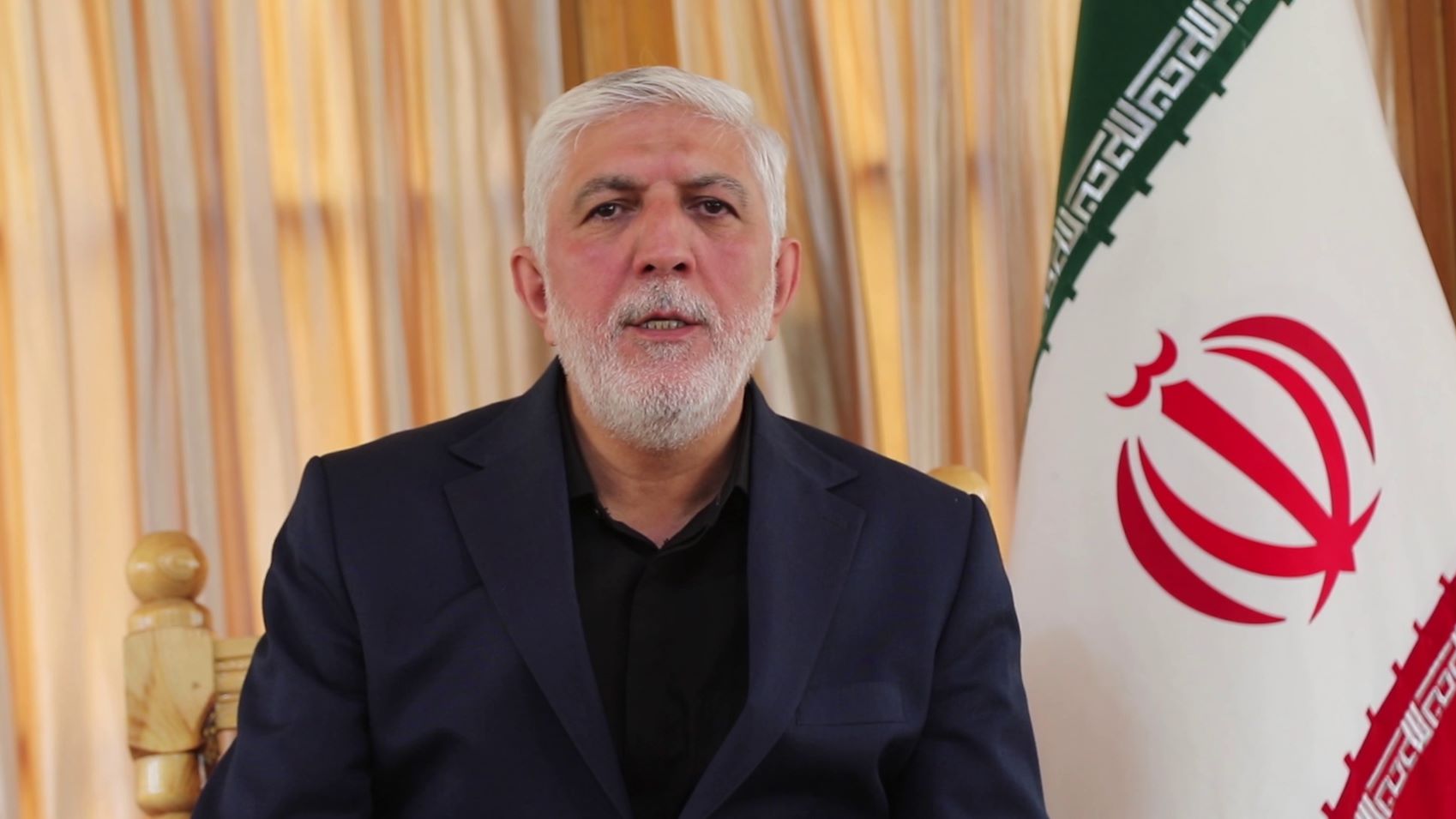
Meanwhile, officials at the Iranian Consulate in Herat say that trade between Afghanistan and Iran has reached nearly $4 billion, and despite recent developments, there has been no change in trade volume.
Iran’s Consul General in Herat, Ali Reza Marhamati, said the appointment of Seyed Mojtaba Khamenei as Iran’s new Supreme Leader would further strengthen Iran’s political and economic relations with neighboring countries, including Afghanistan.
Marhamati said:
“We are witnessing an increase in trade without any shortage; even the war did not stop exchanges. Trade between the two countries has reached around $4 billion. Our railways are also active, and the volume of transported goods reaches about 95,000 tons per month.”
Meanwhile, the Khaf–Herat Railway has also seen increased transportation of commercial goods, reaching around 95,000 tons monthly.
However, despite the continued trade, food prices in Herat have increased, and residents are calling on the government to control the rising costs.