Amid continued tensions between Kabul and Islamabad, Pakistan has intensified its harsh treatment of Afghans residing on its soil, particularly in Khyber Pakhtunkhwa.
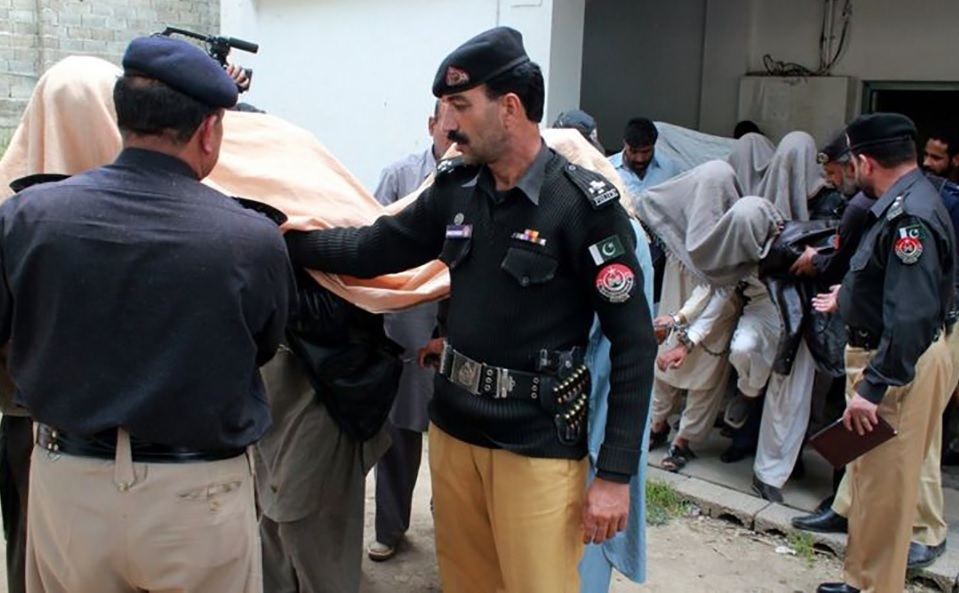
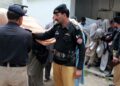
As part of this campaign, Pakistani police have accelerated forced eviction operations against Afghans in Akora Khattak, Khyber Pakhtunkhwa.
Afghans living in the area say police raid their homes without any prior notice and, in addition to mistreatment, forcibly deport them back to Afghanistan.
According to the refugees, across Pakistan and Khyber Pakhtunkhwa, services have been cut off for Afghans, and alongside arrests and forced deportations, their living conditions have become increasingly restrictive.
Afghan refugees in Khyber Pakhtunkhwa say: “The Pakistani government says people should leave voluntarily, but the refugees do not accept this. They say they are sending 15 trucks every day to transfer families to Afghanistan.”
Meanwhile, in Mardan district of Khyber Pakhtunkhwa, the demolition of homes has also begun in the Jalala Camp for Afghans, causing serious concern among thousands of Afghan refugees.
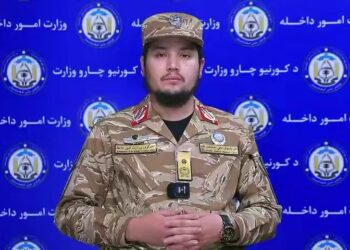
Officials of the Islamic Emirate say the issues have been shared with Pakistan and that the country should not use its treatment of Afghans as a tool of pressure.
They have called on Pakistan to demonstrate commitment to good neighborly relations and international principles by softening its approach toward Afghans.
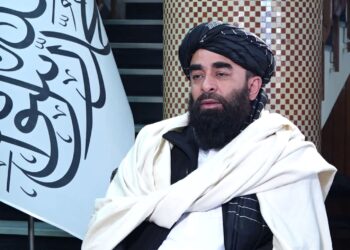
The spokesperson of the Islamic Emirate of Afghanistan, Zabihullah Mujahid, said: “Yes, we have diplomatic relations with Pakistan, and we have conveyed these issues to them. They have also cooperated in addressing the problems. However, it is natural that wherever migrants live, problems will exist. Our request is that the issue of migrants, as well as trade, should not be used as tools of pressure.”
At the same time, refugee rights activists have described the forced deportation of Afghan refugees from Pakistan as a violation of all international principles.
Refugee rights activist Gul Khan Bahadari said: “Such actions are against the international refugee convention and human dignity, and they must be avoided.”
On the other hand, the High Commission for Addressing Refugee Problems stated that on Saturday alone, 350 refugee families—comprising 1,884 individuals—were returned to the country from Iran and Pakistan.
According to the statement, 318 families returned via the Torkham crossing, 20 families through Spin Boldak, 8 families through the Silk Bridge (Pul-e-Warisham), and 4 families through the Islam Qala border crossing.