
The Economic Deputy Office of the Prime Minister announced that the National Procurement Commission has approved more than 20 development projects for several provinces.
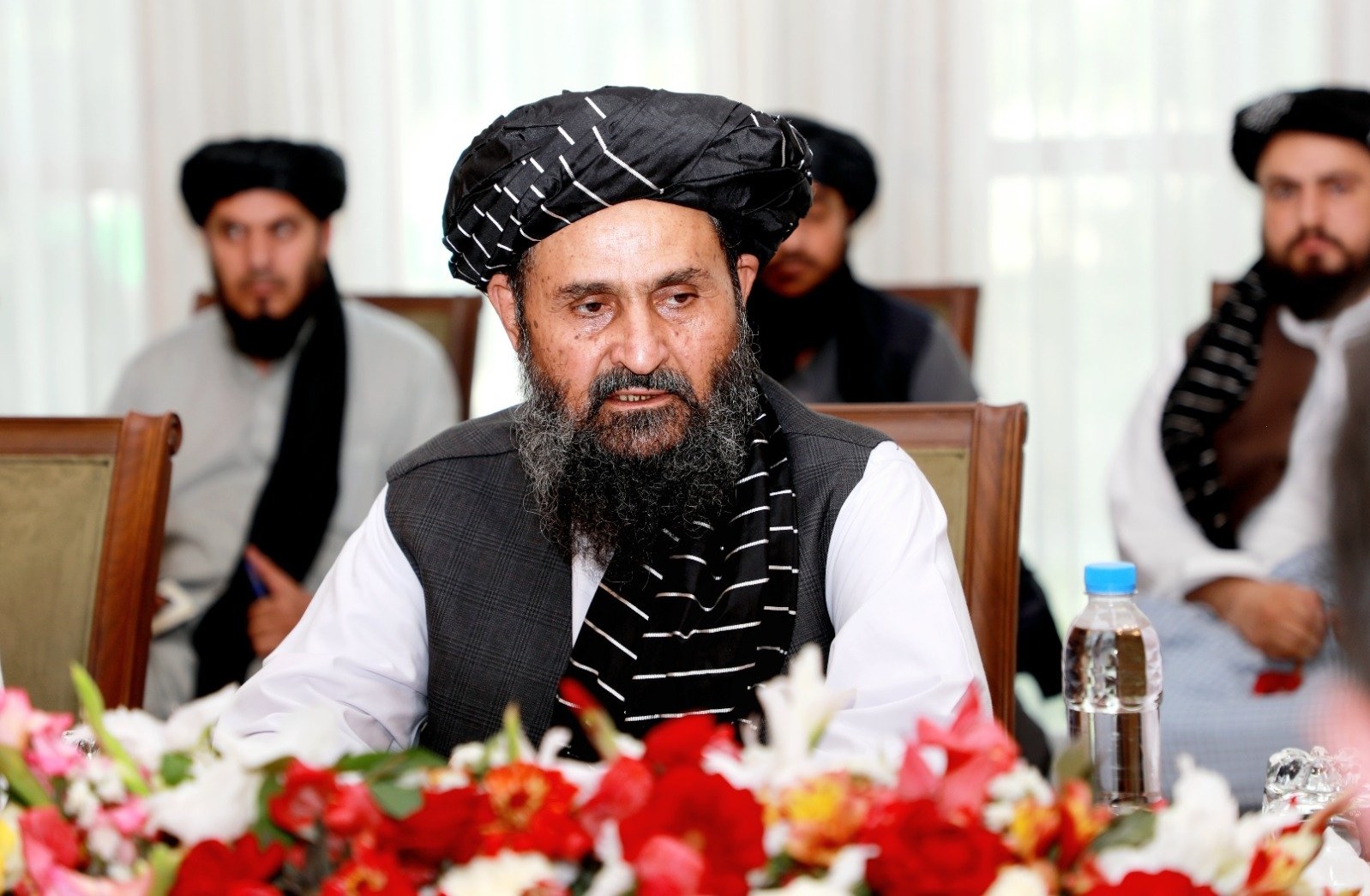
According to the Deputy Spokesperson of the Islamic Emirate, the projects—worth a total of 2.5 billion Afghanis—were approved on Tuesday during a meeting of the National Procurement Commission chaired by Deputy Prime Minister for Economic Affairs, Mullah Abdul Ghani Baradar.
Hamidullah Fitrat said that 33 projects were proposed during the commission’s regular meeting, of which more than 20 were approved, while amendments were made to the remaining proposals.
Fitrat added that the approved projects include the purchase of scanners for customs facilities at the airports of Kabul, Herat, Nangarhar, Balkh, and Khost; rehabilitation of the main highway from Gardez to Khost; construction of buildings for police headquarters in Ghazni and Farah provinces; detailed design and feasibility studies for the Sultan Ibrahim Dam irrigation project in Sar-e Pol province; extension of electricity to the districts of Sancharak, Sozma Qala, and Gosfandi in Sar-e Pol; and construction of public hospitals in Qala-e-Zal of Kunduz, Gereshk of Helmand, Shinwari of Parwan, Parchaman of Farah, Lakan of Khost, Warsaj of Takhar, Alasay of Kapisa, Shakardara of Kabul, and Darayem of Badakhshan provinces.
He further noted that all approved projects will be funded from the Islamic Emirate’s domestic budget.
Meanwhile, a number of analysts say such projects play a fundamental role in the country’s economic development and have called on Afghan investors to cooperate with the government in advancing economic growth.
Economic analyst Younus Zadran said: “Government investment in major projects has a positive impact on the country’s economic situation, particularly in reducing unemployment, which many of our citizens face. Because of unemployment, people are forced to travel abroad, where they encounter numerous difficulties and even lose their lives. These projects play an important role in reducing unemployment and strengthening Afghanistan’s economy.”
At the same time, other analysts say that implementing such projects and government investment in public-benefit initiatives not only contributes to domestic economic growth but also helps create job opportunities across the country.
Economic analyst Abdul Jabbar Sapi said: “These are very important infrastructure projects that have positive effects on Afghanistan’s economic development, job creation, and other sectors. Another important point is that these projects are funded from Afghanistan’s own budget, meaning Afghan funds are being spent on rebuilding Afghanistan, which will bring positive changes to people’s lives.”
This comes as several other development projects have previously been implemented to support economic growth, including the 10-megawatt Naghlu solar power project, which provides electricity to around 20,000 households.