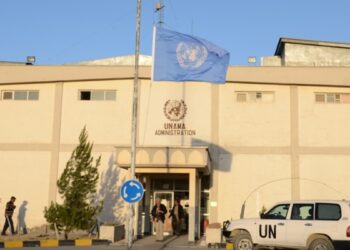
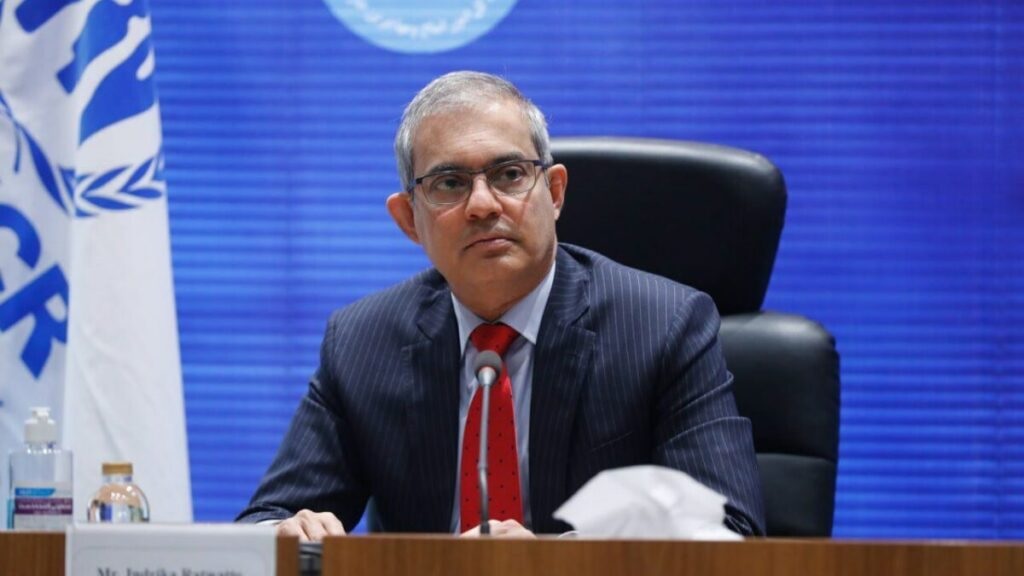

The United Nations Humanitarian Coordinator for Afghanistan has identified prolonged drought, the return of refugees from Iran, Khyber Pakhtunkhwa, and Pakistan, and the reduction of international funding for aid organizations as the major factors behind the worsening humanitarian situation in the country.
Andrika Ratwatte has stated that drought has affected the food security of 70 percent of Afghans, adding that the United Nations has received only a very small portion of the requested funding needed to mitigate these impacts.
According to him, due to budget shortfalls, the United Nations has closed around 400 health facilities and 300 food assistance centers across Afghanistan, as a result of which millions of Afghans ـ particularly women and children have been severely affected in both economic and health sectors.
The United Nations Humanitarian Coordinator for Afghanistan, Andrika Ratwatte, says: “Afghanistan is afflicted by three crises. The first is drought, which has affected the food security of around 70 percent of the population. The second is the return of 2.5 million Afghans from Iran and Pakistan. The third is the dramatic decline in international financial resources for Afghanistan, of which we have received only 37 percent of the required assistance. “
Meanwhile, the representative of the World Food Programme (WFP) in Afghanistan said in a recent interview with the Associated Press that the reduction in international humanitarian aid since 2022, and particularly after 2024, has affected women and children more than any other groups in Afghanistan.
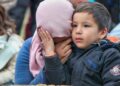
He expressed concern that, in the near future, an unprecedented rise in malnutrition among pregnant and breastfeeding women, as well as children, will further intensify the humanitarian crisis in Afghanistan.
The WFP representative in Afghanistan, John Aylieff, says: “Over the next 12 months, five million women and children in this country will experience severe malnutrition – malnutrition that will be life-threatening. “
At the same time, officials from the Ministry of Economy say the government still has an urgent need for international cooperation in ensuring food security and in addressing the return of refugees from Iran, Khyber Pakhtunkhwa, and Pakistan.
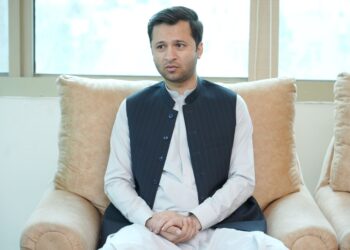
The Acting Deputy Minister of the Ministry of Economy, Abdul Latif Nazari, says: “The Ministry of Economy of the Islamic Emirate of Afghanistan calls on the international community and international aid organizations to continue assisting the people of Afghanistan. We need the support of the international community to reduce food insecurity and to improve the conditions of returning refugees. “
However, We sought the views of officials from the Ministry of Public Health regarding the number of people affected by the closure of around 400 health centers by the United Nations in the country, the availability of alternative health services, and the exact figures of children and women facing malnutrition; But they did not respond to our repeated attempts.
Previously, the United Nations stated in its monthly, quarterly, and annual reports that around 23 million people in Afghanistan require humanitarian assistance, of whom nearly 16 million are in an emergency situation.