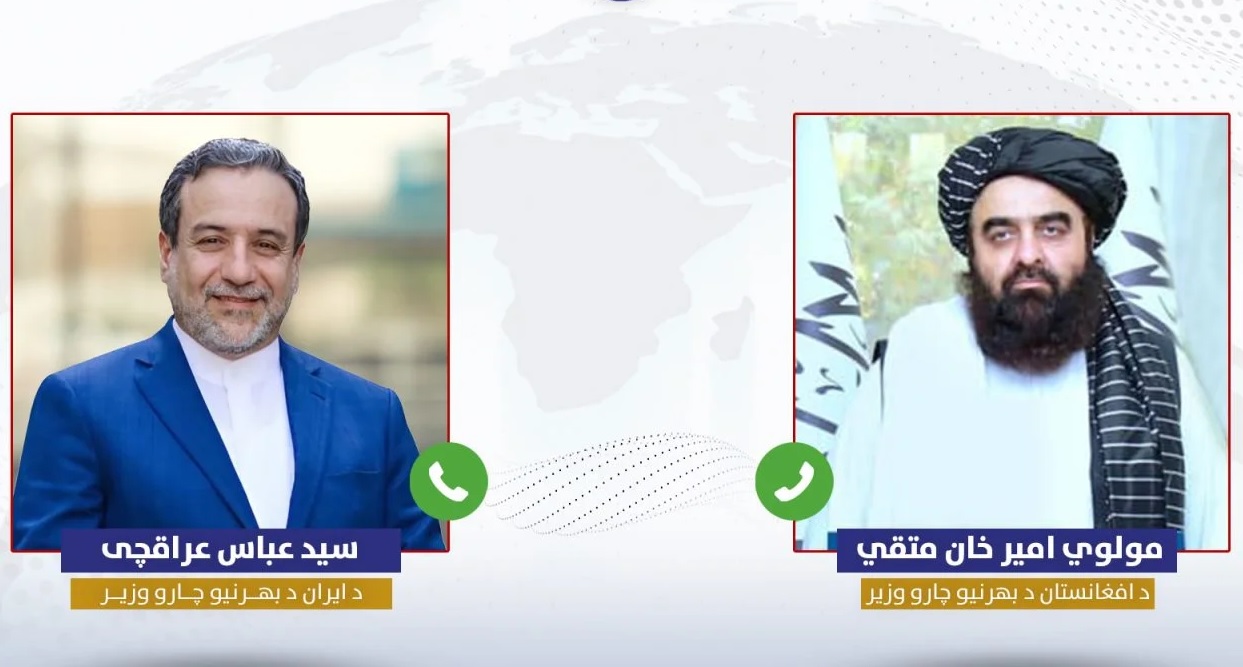

Talks between the foreign ministers of Afghanistan and Iran took place at a time when Iran declined to participate in the second round of talks in Islamabad, which had been scheduled for this week.
According to the spokesperson of Afghanistan’s Ministry of Foreign Affairs, the telephone conversation covered not only the growing bilateral relations but also the current regional situation and the nature of negotiations between Iran and the United States.
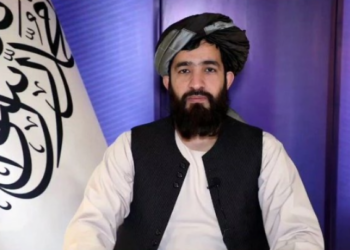
Spokesman Hafiz Zia Ahmad Takal said that during the call, Amir Khan Muttaqi described the move toward diplomacy by Iran and the United States as a constructive step and stressed the importance of resolving existing issues through dialogue and mutual understanding.
The deputy spokesperson of the ministry added: “Honorable Mawlawi Amir Khan Muttaqi considered the diplomatic approach of the Islamic Republic of Iran and the United States a positive step and emphasized resolving issues through negotiations. During the call, the foreign minister of the Islamic Republic of Iran also briefed the foreign minister of the Islamic Emirate of Afghanistan on the latest developments in the ongoing talks between Iran and the United States.”
Takal also noted that Abbas Araghchi provided updates on recent developments regarding the planned negotiations between Tehran and Washington in Islamabad.
The second round of talks had been scheduled to begin on Wednesday, but Iran rejected participation due to what it described as repeatedly changing positions by the United States.
Earlier, Tehran had stated it would not take part in negotiations unless the United States ended its blockade of the Strait of Hormuz. Meanwhile, US President Donald Trump has insisted that the pressure will continue until Iran agrees to a peace deal.
Previously, analysts had warned that the US blockade of the Strait of Hormuz and the seizure of an Iranian vessel could lead Tehran to withdraw from the Islamabad talks.
These concerns materialized after the US president reiterated his warning that if Tehran does not agree to peace, Iran’s power plants and bridges could be destroyed.
Political analysts emphasize that the issues between Tehran and Washington must be resolved through dialogue, warning that otherwise a destructive war could have unprecedented negative consequences for the entire region.
According to them, countries in the region, including Afghanistan, are aware of this risk and are therefore trying to create conditions for dialogue and mutual understanding.
Political analyst Wahid Faqiri said: “Relations between Iran and the Islamic Emirate are relatively good and continue to improve. Afghanistan sees its interest in stability in Iran and the continuation of its current system. That is why Mr. Muttaqi supported these talks and called for resolving the crisis through dialogue. A negotiated solution is also in the interest of the entire region and the world.”
Although Iran refused to participate in the talks just one day before the ceasefire was set to expire, the United States nevertheless extended the ceasefire.
Currently, regional and neighboring countries are working on ways to bring Tehran back to the negotiating table, despite significant differences remaining between the negotiating teams of Tehran and Washington.