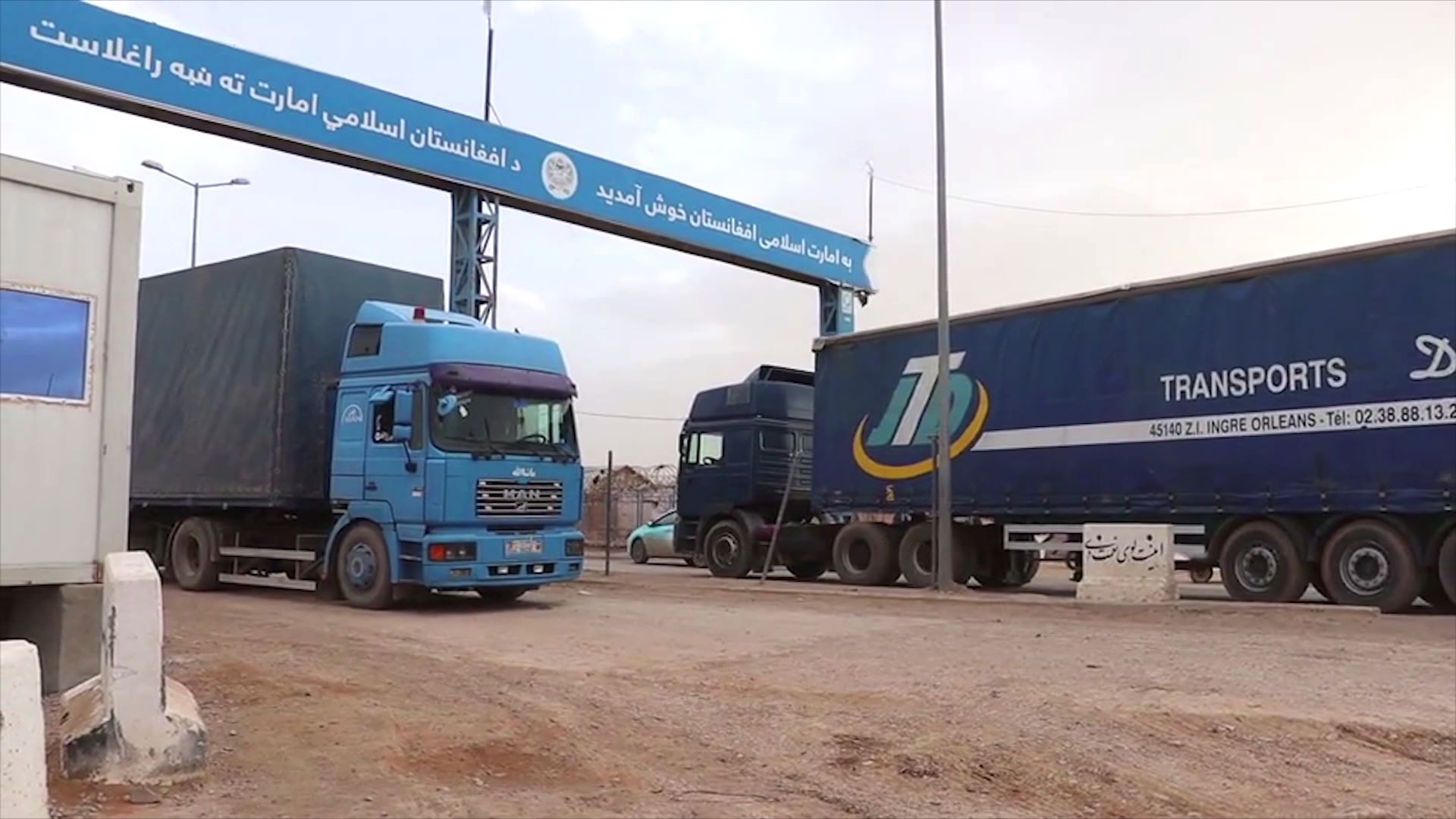

Despite the ongoing conflict between Iran, United States, and Israel, and concerns about possible disruptions in trade between Afghanistan and Iran, the Afghanistan Chamber of Commerce and Investment reports that trade between the two countries has increased by 30% this year.
Officials say that although the war in Iran could potentially expand, all trade and transit routes between Afghanistan and Iran remain open. They project that trade volume may rise further in the coming year.
Chamber advisor Khan Jan Alkhozi said:
“Compared to last year, our imports from Iran and transit activities have increased. I estimate this growth at 30–35%. Last year, trade with Iran was worth about $3 billion, and I believe this year it could exceed $4 billion. Trade is running smoothly, and transit is operating normally.”
Alkhozi added that the regional conflict and war benefit no country and negatively affect trade shipments via waterways. He called on all parties involved in the conflict to stop the fighting as soon as possible.
Some economic analysts point out that with trade routes to Pakistan sometimes blocked, Iran serves as an alternative trade route for Afghanistan, and they urge the Islamic Emirate to expand economic and trade ties with Tehran.
Economic expert Younus Zadran said:
“Alternative routes through Iran have largely solved Afghanistan’s trade needs, allowing goods to be imported and exported through Iranian ports. Ports like Abbas and Chabahar are very important for Afghanistan’s transit.”
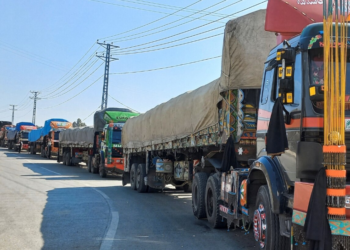
Meanwhile, the Iranian embassy in Kabul reported a 53% increase in Iranian transport vehicles at the Afghan border compared to pre-conflict levels.
Observers warn that prolonged regional conflicts could eventually affect trade between Afghanistan and Iran and call on the parties to seek peaceful solutions.
Previously, Zabihullah Mujahid, spokesperson for the Islamic Emirate, and the Minister of Public Works confirmed that trade between Afghanistan and Iran is continuing normally without any obstacles.