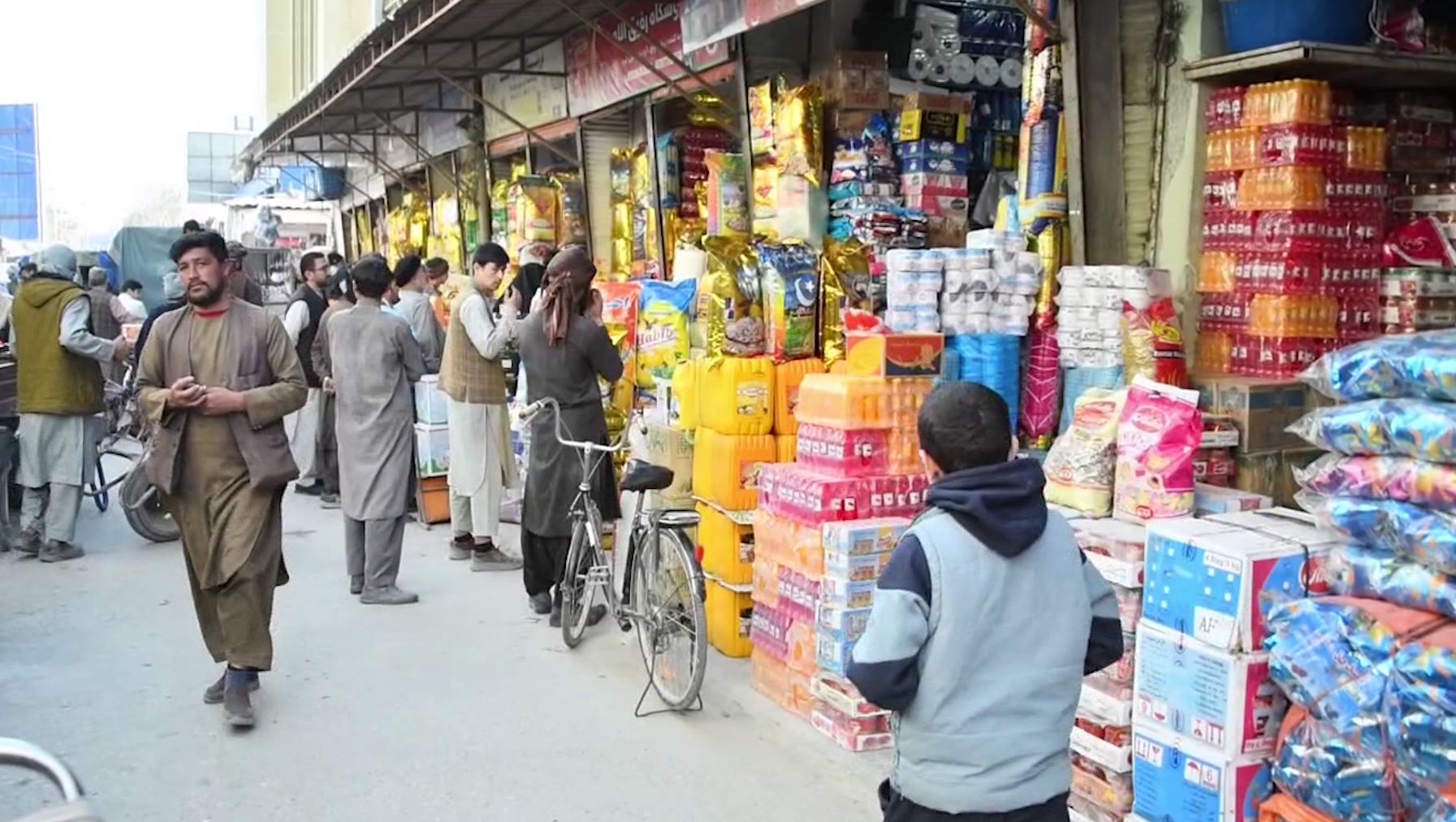

Some residents of the capital have expressed concern that, since the start of the war in Iran, food prices have risen across the country’s markets. According to them, the prices of flour, cooking oil, and sugar have increased not only in Kabul but also in other provinces.
Residents also criticize traders for waiting to sell goods at higher prices during the holy month of Ramadan.
Kabul resident Abdul Akbar said:
“Prices have risen significantly during Ramadan, and traders are oppressing ordinary people. The government and municipality should ask why traders hold goods at lower prices in other months but sell them at high prices during Ramadan.”
Sher Pacha, another Kabul resident, added:
“Prices have reached the limit. In other countries, prices drop during Ramadan, but here they keep rising. I tell traders: if you do not fear humans, then fear God.”
Some shopkeepers, meanwhile, explained that price increases are caused by factors such as the closure of trade routes with Pakistan and a lack of control over the dollar in the market.
A shopkeeper in Kabul said:
“There are two reasons for the rising prices. First, trade routes with Pakistan are blocked, and now there is war in Iran, which increases transportation costs. Second, the rising dollar rate affects prices, and it should be controlled.”
Economic analysts note that as long as Afghanistan relies on imports, any regional crisis will directly affect domestic markets.
Economist Shakir Yaqubi said:
“When domestic production is low and the market depends on imports, any regional crisis negatively impacts food prices. Since trade routes with Pakistan are closed and the situation in Iran is unstable due to war, prices inevitably rise.”
The Ministry for the Promotion of Virtue and Prevention of Vice stated that it is closely monitoring the market and taking measures to prevent price increases and hoarding.
Spokesperson Saif-ur-Islam Khabir said:
“We ask sellers to follow the official price lists and avoid hoarding, price hikes, and any form of exploitation. Shops and markets violating these rules will be sealed, and the responsible individuals will be referred to judicial authorities.”
Analysts believe that to control market prices, Afghanistan needs to increase imports of food from other countries and create conditions for domestic production of essential food items.