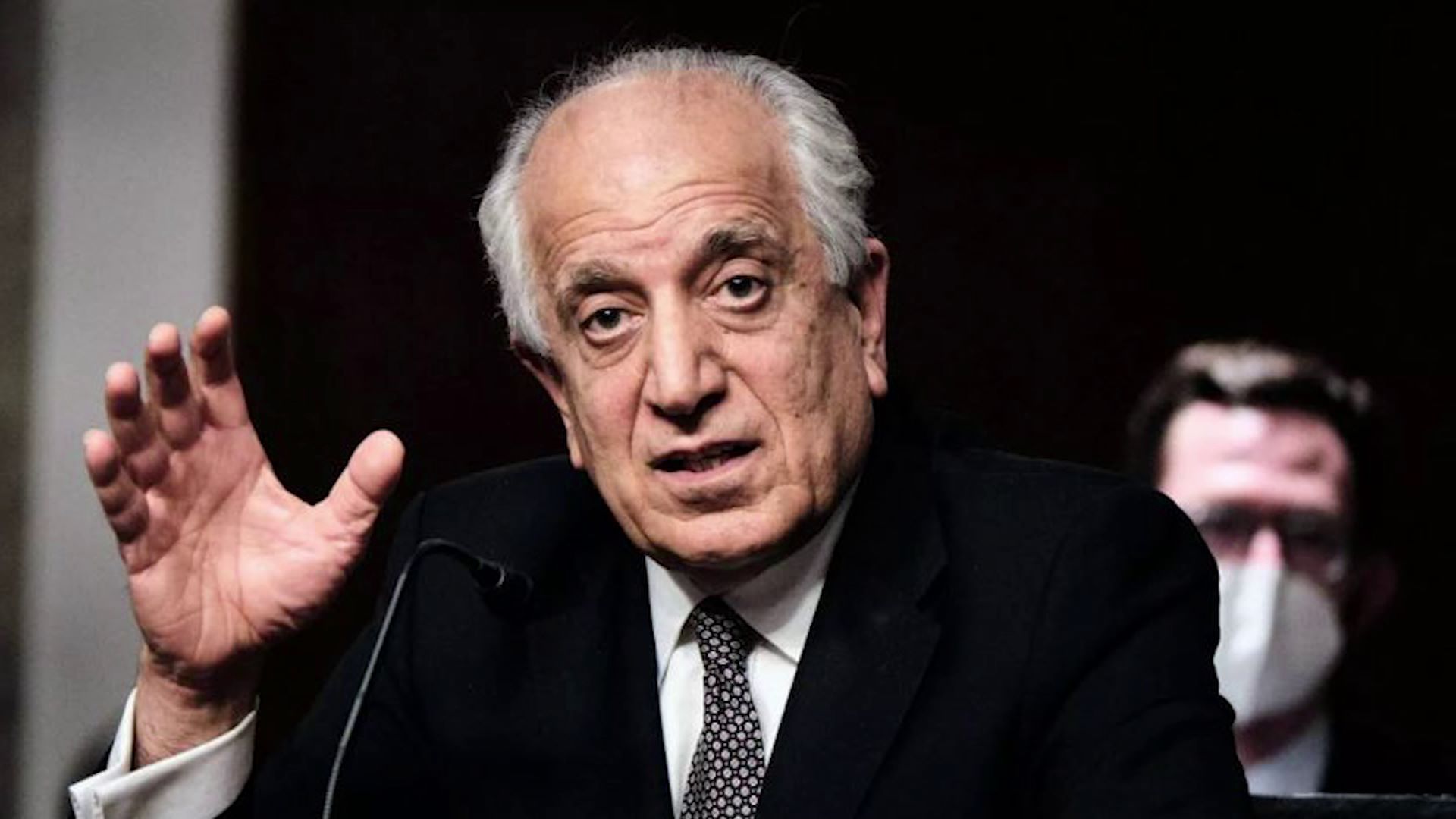

Zalmay Khalilzad, former U.S. envoy for Afghanistan, commented on the ongoing tensions between Kabul and Islamabad, saying that the gap between the Pakistani people and the country’s military regime is widening.
Khalilzad referred to a documented report by the United Nations Assistance Mission in Afghanistan (UNAMA) on civilian casualties in Afghanistan, stating that Pakistan’s policies are causing the deaths of civilians.
He added that he does not believe the Pakistani public supports their government’s policies that result in civilian deaths in Afghanistan. Khalilzad wrote:
“I am confident that ordinary Pakistanis do not support policies that target civilians. The fact that Afghan civilians have been hit in Pakistani airstrikes, as documented, is widening the gap between the Pakistani government and its people.”
Meanwhile, yesterday, renowned Indian scholar Mufti Salman Ahmad Nadvi described retaliatory measures taken by the Afghan government against Pakistani military forces as a legitimate act and framed it as a struggle between right and wrong.
Pakistani journalists have criticized Islamabad’s current approach in response to the ongoing tensions with Afghanistan, calling it a failure and warning that continuing the current path would be a major mistake for Pakistan.
Independent Pakistani journalist Tahir Khan said:
“The situation in Pakistan is not good either, and there are challenges here as well. The people want peace. Both the people and governments of Pakistan and Afghanistan understand this, rather than just following instructions from others.”
Earlier, Pakistani politicians also criticized the military regime for using force against Afghanistan, arguing it harms Islamabad’s interests. They urged the military regime to engage in meaningful dialogue with Kabul instead of confrontation.
Afghan experts say that the Pakistani military regime is currently facing a severe crisis and must prioritize diplomacy and engagement over confrontational policies.
Military analyst Akhtar Mohammad Rasikh warned:
“The consequences of this conflict could lead to Pakistan’s fragmentation, the success of Baloch separatists, the rise of the Pakistani Taliban, and the liberation of Afghan-occupied territory.”
Military analyst Asadullah Nadim added:
“Both sides need to reassess their policies and choose a political path that respects both their national interests and those of the opposing country.”
On Tuesday, officials of the Islamic Emirate told reporters in Kabul that the Afghan government never chose war with Pakistan’s military regime, but they consider defending their territory against aggression as their right.
Deputy government spokesman Hamdullah Fetrat also said that there is still time to decide on the possible closure of the Pakistani embassy in Kabul, adding that the matter is under review.