
The United Nations Children’s Fund (UNICEF) says that although children are the most vulnerable victims of war, it is working jointly with the United Nations Assistance Mission in Afghanistan (UNAMA) in Kabul to verify reports of child casualties resulting from bombings by Pakistan’s military forces in Afghanistan.
UNICEF’s Regional Director for South Asia, Sanjay Wijesekera, said the agency is deeply concerned about reports indicating that children have been killed and injured in the ongoing conflict between Afghanistan and Pakistan.
He called on both countries to exercise restraint, protect civilian lives, and adhere to international law, particularly human rights law.
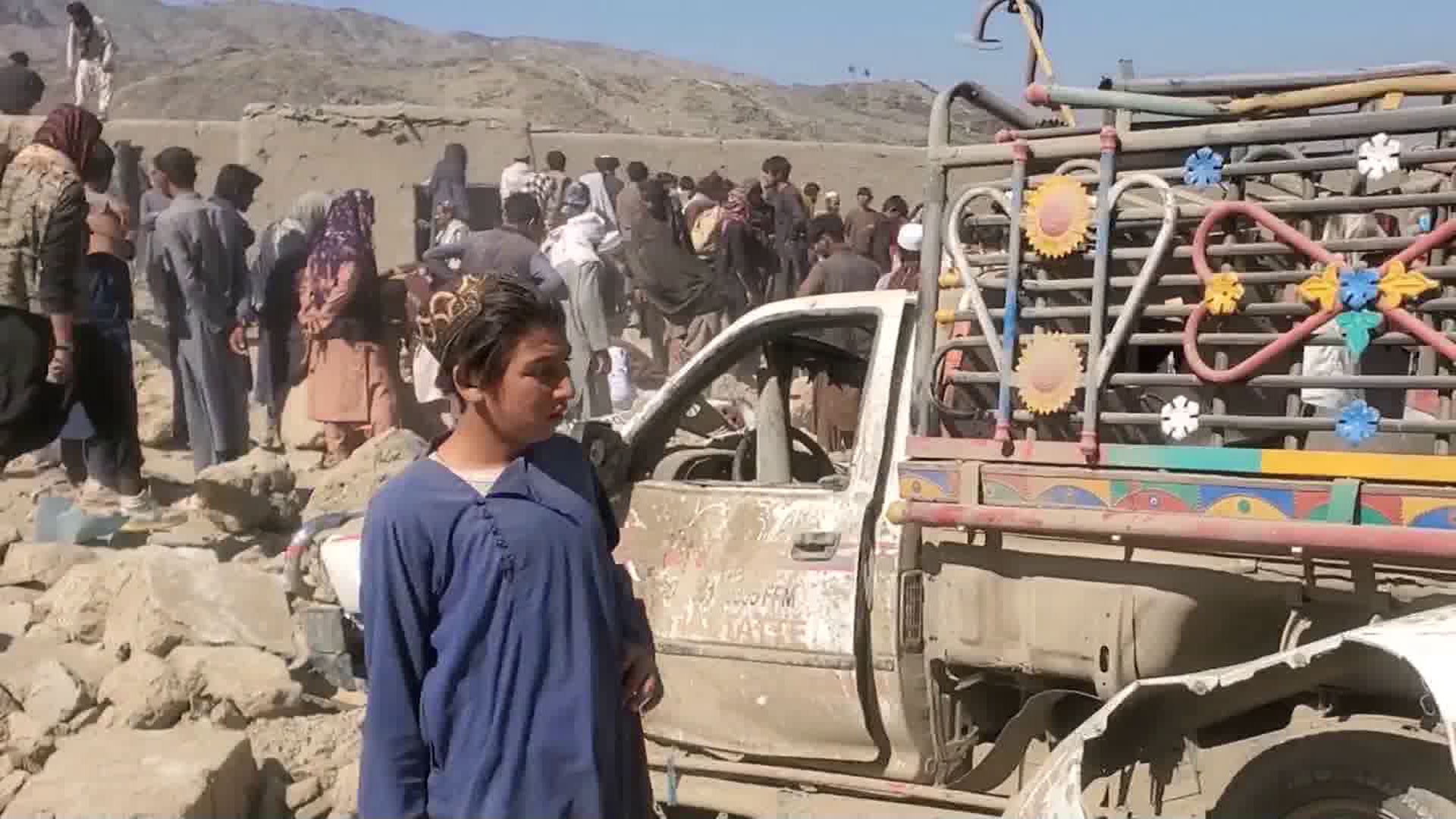
“We are concerned by reports indicating child casualties in the escalating conflict between Afghanistan and Pakistan,” Wijesekera said. “Children have also been affected across the Durand Line, and around 138 public schools have been closed due to security concerns.”
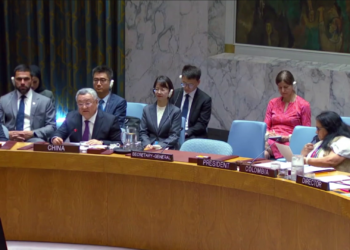
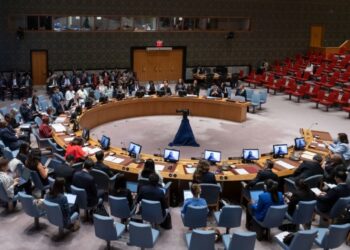
The United Nations stated that 23 civilians have been killed as a result of Pakistani military attacks. UNAMA in Kabul also warned about the negative impact of the recent clashes between the two countries on the operations of humanitarian organizations in Afghanistan.
The spokesperson for the United Nations Secretary-General, Stéphane Dujarric, said that between February 26 and March 1, 23 Afghan civilians were killed and 89 others injured in Pakistani air and ground attacks.
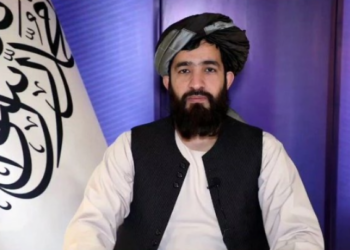
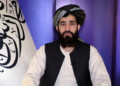
Islamic Emirate spokesman Zabihullah Mujahid said Afghanistan is currently under aggression by Pakistan, alleging that civilians are being targeted and that Afghan refugees in Pakistan are facing numerous difficulties.
Meanwhile, since the outbreak of the current conflict, the arrest and forced deportation of Afghan refugees from various parts of Pakistan has reportedly intensified.
Afghan refugees residing in Pakistan say that in recent days, Pakistani police have deported hundreds of Afghans back to Afghanistan. According to them, police have launched a broad campaign to detain Afghan refugees, arresting and imprisoning more than 1,000 individuals in Khyber Pakhtunkhwa alone.
At the same time, Afghan refugees in Iran are also facing increasing challenges due to the ongoing conflict and recent attacks on Iran by the United States and Israel.
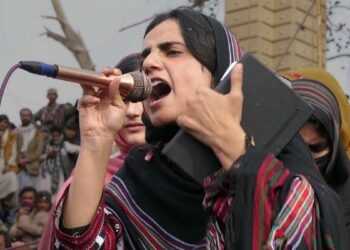
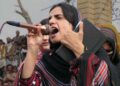
An Afghan refugee in Pakistan, Malik Mujahid Shinwari, called on the Pakistani government to refrain from mistreating Afghan refugees, especially during the holy month of Ramadan, and to allow them to keep their shops open and stop arrests.
An Afghan refugee in Iran, identified as Lina, said that given the significant number of Afghan refugees in Iran, those living there are deeply concerned and seeking greater attention and support.
Refugee rights advocates have urged Pakistan to treat Afghan refugees in accordance with international refugee laws and principles, and have called on both countries to resolve their disputes through dialogue.
Refugee rights activist Nazar Mohammad Nazari expressed hope that the Pakistani government would act responsibly and temporarily halt the deportation process.
This situation continues as the Islamic Emirate has repeatedly called on human rights organizations and international institutions to ensure the protection of Afghan refugees’ rights in host countries.