
January 24 is observed by governments as the International Day of Education, marking their commitments to ensuring full access to this right.
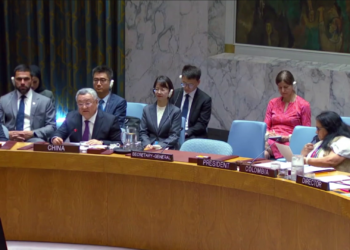
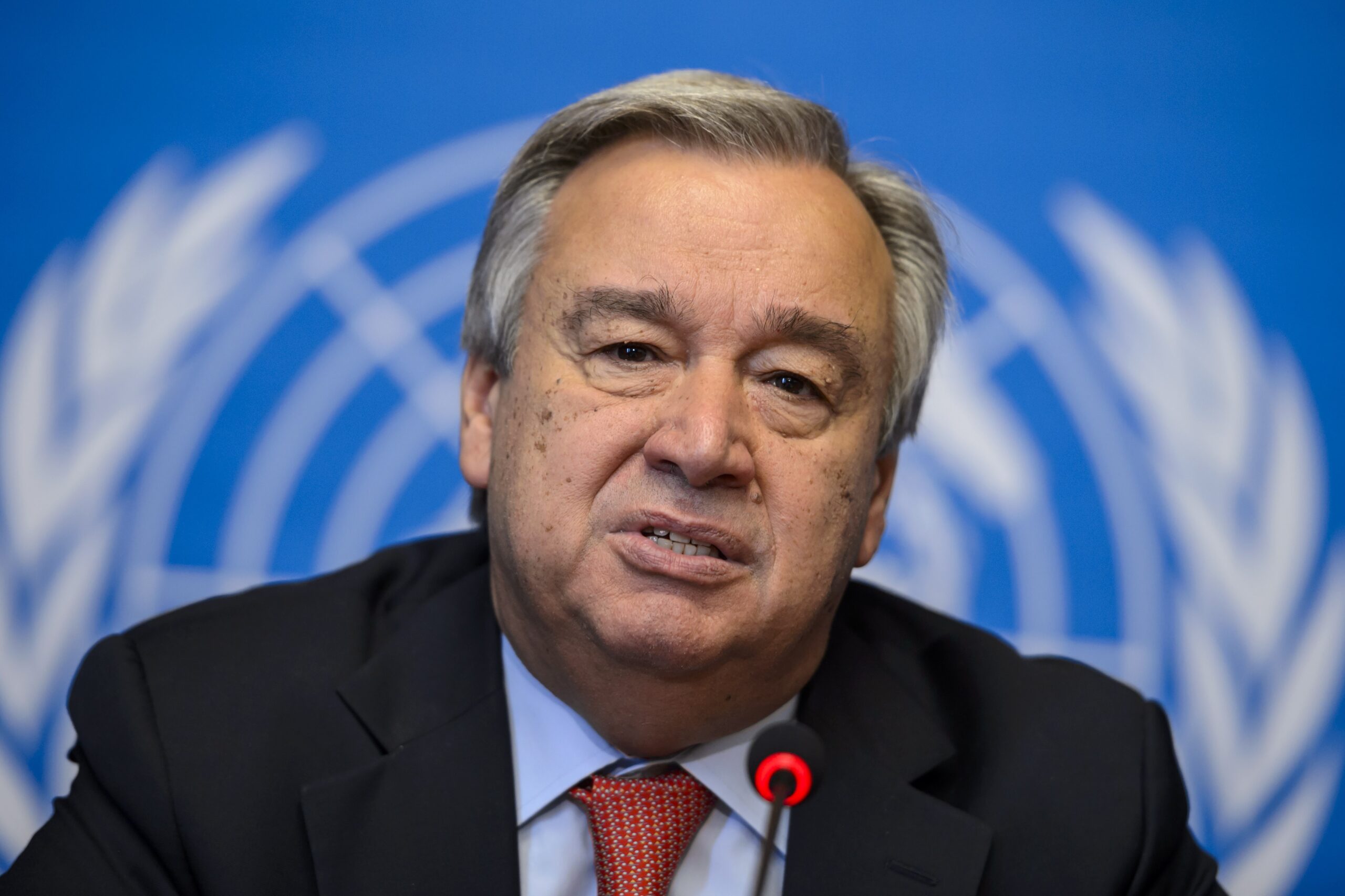
In a message on the occasion, UN Secretary-General António Guterres said that globally, 272 million children are unable to access education due to poverty, discrimination, conflict, displacement, and natural disasters.
He described education as a human right and called for a comprehensive and renewed education system for children. Guterres said:
“Education is a human right. Yet 272 million children and young people lack access to learning because of poverty, discrimination, conflict, displacement, and crises. Let us build inclusive, flexible, and innovative education systems for all.”
UNICEF and UNESCO also supported the UN Secretary-General’s position, describing Afghanistan as the only country where, according to them, girls are barred from education beyond the sixth grade.
The two UN agencies said 2.2 million girls have been deprived of secondary education, calling it a serious obstacle to the country’s development.
In a joint statement marking January 24, UNICEF and UNESCO said:
“Today, Afghanistan is the only country in the world where secondary and higher education are strictly prohibited for girls and women. As a result, 2.2 million girls are prevented from attending secondary schools, severely limiting their future opportunities and the country’s development.”
The European Union has also said it has invested €55 million through various programs to provide quality education for children in Afghanistan and has recently assured an additional €6 million investment to achieve this goal.
In a press release, the EU stated:
“On Education Day, the European Union reaffirms that quality and accessible education is a fundamental right. We are investing in various projects across Afghanistan in partnership with different organizations to ensure that no child is left behind.”
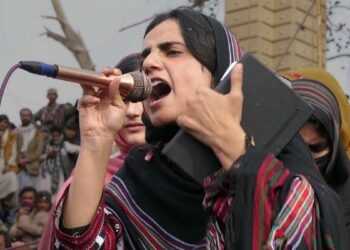
Tabia Rastaqi, a female student whose university studies remain incomplete, says she remains hopeful—like before—that she will be allowed to return to university next spring. She said:
“With great respect, we ask the government to create a suitable, safe, and secure environment for girls’ education while taking Islamic and cultural considerations into account. Educated generations—both boys and girls—guarantee a bright future for the country.”
Officials from the Ministry of Education say the government is committed to both modern and religious education, and that more than 12 million students are currently engaged in these forms of learning, including five million girls.
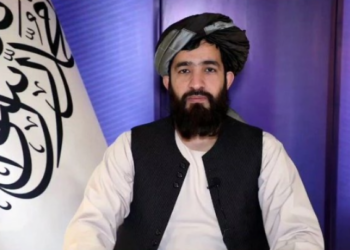
According to the ministry’s spokesperson, Ahmad Mansour Hamza, since the Islamic Emirate came to power, more than 1,300 new school and religious seminary buildings have been constructed across the country, and around 3,500 others have been renovated and rebuilt.
He said:
“The Islamic Emirate continually strives to provide education services to citizens in every corner of the country. Fortunately, we can say that a total of 7,533,886 boys and 5,391,301 girls are studying in religious and general education centers. The total number of registered students has reached 12,925,187. The Ministry of Education of the Islamic Emirate of Afghanistan has expanded education services to remote and deprived areas, and fortunately, educational opportunities have been created for the country’s children.”